
…no.
As a little girl, I always thought I was fiercely independent. I fashioned a personal code of conduct, I set my own bar, and I tended to think and act with persistent, but well-mannered obstinacy. But in reality, I played well with others and dutifully adhered to the social rules of the times. So while my independence schtick was, at best, oddly charming, it was mostly toothless. As much as I wanted to be a renegade, I usually followed along with the crowd and agreed to things/ideas/activities that were actually antithetical to my secret canon. Alas, I have never been a true badass despite numerous half-hearted attempts. (Okay, there was that one time in 2018, but they had it coming,)
That was until Mother taught me the magic phrase, “I’m so sorry, I can’t.” This is the response to someone asking, imploring, or quite often insisting that you do something you simply do not want to do. No need to make excuses or conjure a reason, you just “can’t.” And don’t feel compelled to lie – it’s nobody’s business “why not.” It seems harmless and easy enough to employ, but the trick is to say it and then shut up. That’s it, you literally stop talking – no explanations, no caveats. The shutting-up part was always a challenge for me, but it really is the clincher. Instead of internal panic, you’ve introduced deliciously confusing silence and let it do all the work. If the irritant persists, just say it again: “I’m so sorry, I can’t.” And smile – don’t forget to smile because can’t is merely a polite stand-in for won’t. Self-advocating doesn’t require an attitude.

“I’m so sorry, I can’t.”
~ Mother
I know women of a certain age who are finally beginning to test-drive the word “no,” and it is glorious to behold. Not only am I delighted to witness my friends setting healthy boundaries and redirecting their priorities after decades of maternal compliance, but watching the world react to their sturdy, unapologetic NO is truly popcorn-worthy. However, being a full-time contrarian can grow tiresome, if not downright depressing. Since I, too, am of a certain age, I’ve implemented a corollary: if my immediate reaction is NO, that’s fine, but what instead? What is my YES? Surely there is at least one alternative waiting in the wings of my imagination. Now identify the yes and go do that instead. And that’s how I jumped from a pair of convenient weeknight TikTok casseroles to two of my favorite new recipes from opposite sides of the planet: Sichuan Wontons in Chili Sauce and Amba Chicken & Rice.
Now it’s confession time: I will occasionally fall for an Instagram ad that promises me the world – indestructible gold-plated jewelry at $10 a pop or a luxury face serum claiming to reverse 40 years in mere days. I also giggled my way through several pricey meditation subscriptions and I’ve been caught in the high-end minimizer bra algorithm for weeks. So yes, I also have a minor online shopping problem and love learning things the hard way – a lethal combination. Lately, I’ve tried to use a bit more restraint with doom-scrolling, but I always find my way to Instagram’s endless feed of recipe reels. These are often recycled, hand-me-downs from TikTok and, my being of a certain age, I’m fine waiting for them to show up on old-lady Instagram.

This month a pair of viral foodie trends nearly got the best of me, so I had to reinforce my inner dialogue with a hearty dose of “I’m so sorry, I can’t.” Of course, this was only after I fell for the Thai curry frozen pot sticker casserole. Don’t misunderstand, it’s really yummy and quite simple to throw together, but probably belongs in my favorite meal category, shitty delicious. One can zizz it up with bok choi, shiitake mushrooms, chili crisp, and a host of herby green accompaniments, but the reality is you are eating frozen, processed food. You have to own that. Even though I clearly should have known better, I tried it, I owned it, and now I’m saying no. I’m so sorry, but I just can’t…ever again. So what was going to take its place?
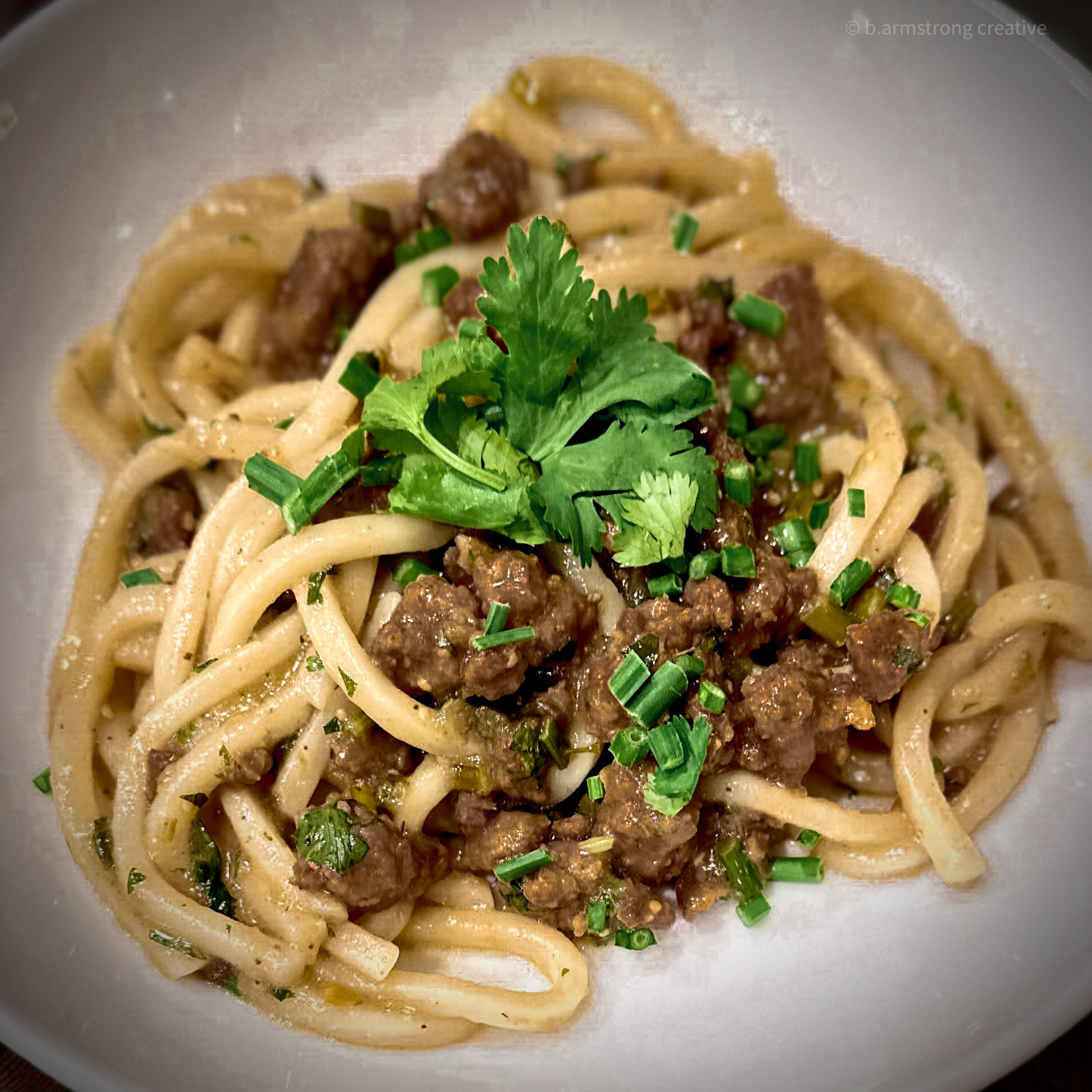
Wontons. Homemade wontons were exactly what was needed instead of a jarred curry and frozen dumpling casserole. Unlike perfectly formed dumplings, these Sichuan wontons are forgiving and flexible little pork bombs that are boiled and served with some variation of a chili oil sauce. Every region across China has its own wonton with unique recipes, names, and meanings. My favorite might be Cantonese, pronounced one ton and translates to “swallowing a cloud.” Of course, Americans manage to destroy the pronunciation with an elongated drawl – wahhn tahhn. Those people should stick to the dumpling casserole.
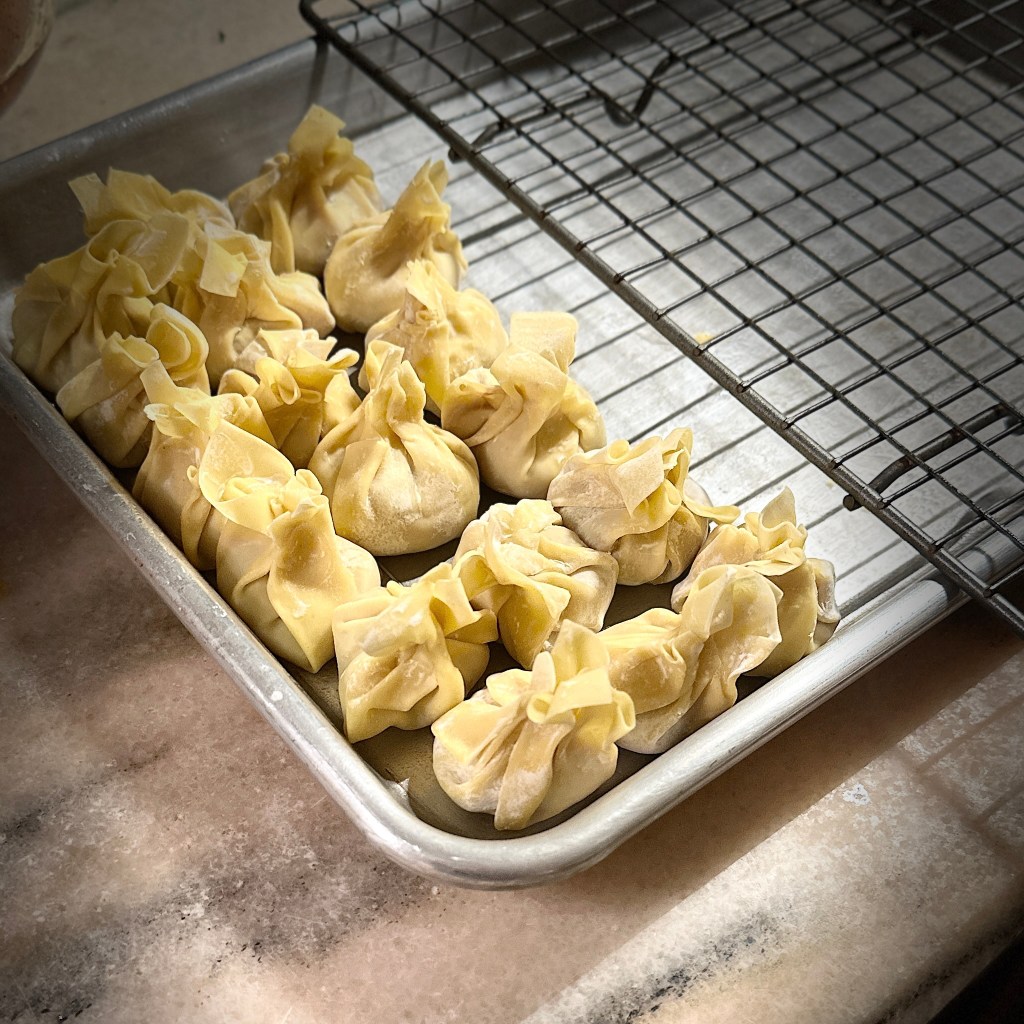
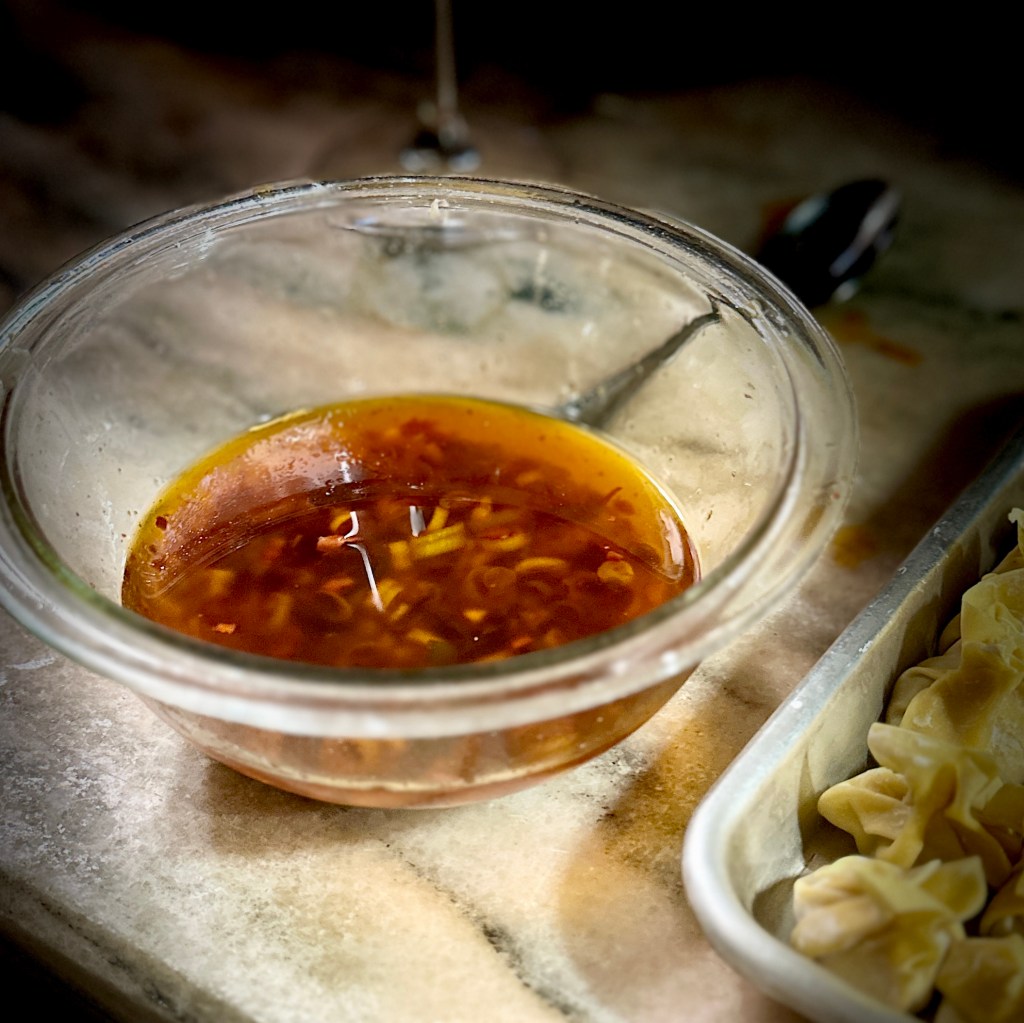
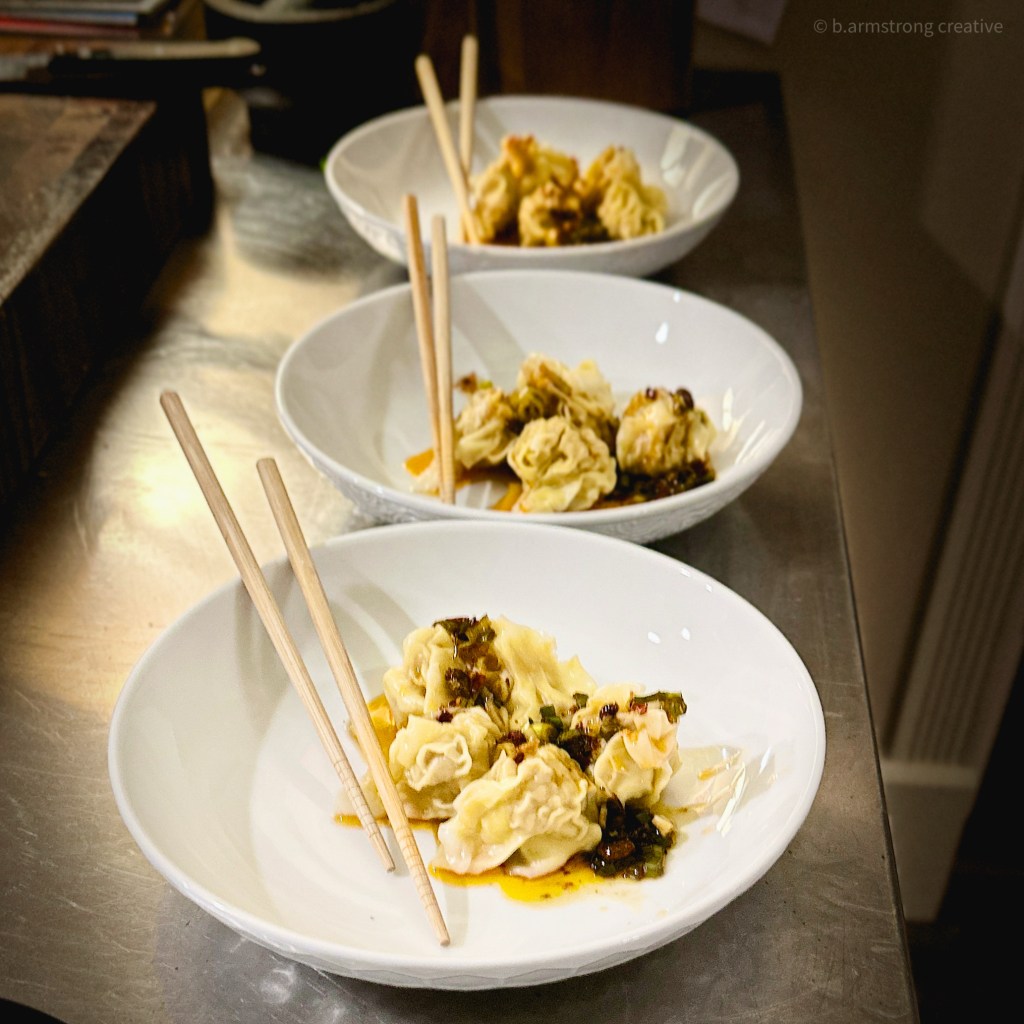
In this recipe, thin square egg wrappers are almost haphazardly stuffed and sealed with a sloppy pinch. Trying to be somewhat heart-healthy, I filled mine with chopped shrimp and ground chicken infused with green onions, soy sauce, oyster sauce, and a dash of sesame oil. Once cooked and thoroughly puckered beyond recognition, the wontons get bathed in chili sauce and devoured hot. Maybe the homemade option required a little more time or work or patience, but by no means did it demand any more pure skill than the TikTok casserole. This was the yes I was looking for.
I found Stick of Butter Chicken and Rice in the same account as the dreaded Pot Sticker casserole, which totally tracks. I’m sorry, but one-pan comfort dinners need not depend on multiple sticks of butter and condensed soup. Honestly, my first instinct was a 99% stomach-churning, artery-hardening NO…but as Atlanta faced Day 4 of unrelenting rain, that remaining 1% was aching for a warm, cozy meal. The all-knowing algorithm sensed these primal cravings, only this time it took into account my recent Google searches: the origins of turmeric (India, 4000 years ago), is soy sauce Kosher? (not for Ashkenazi Jews), and how to visit the Hanging Gardens of Babylon (you can’t because they no longer exist…or possibly never did).
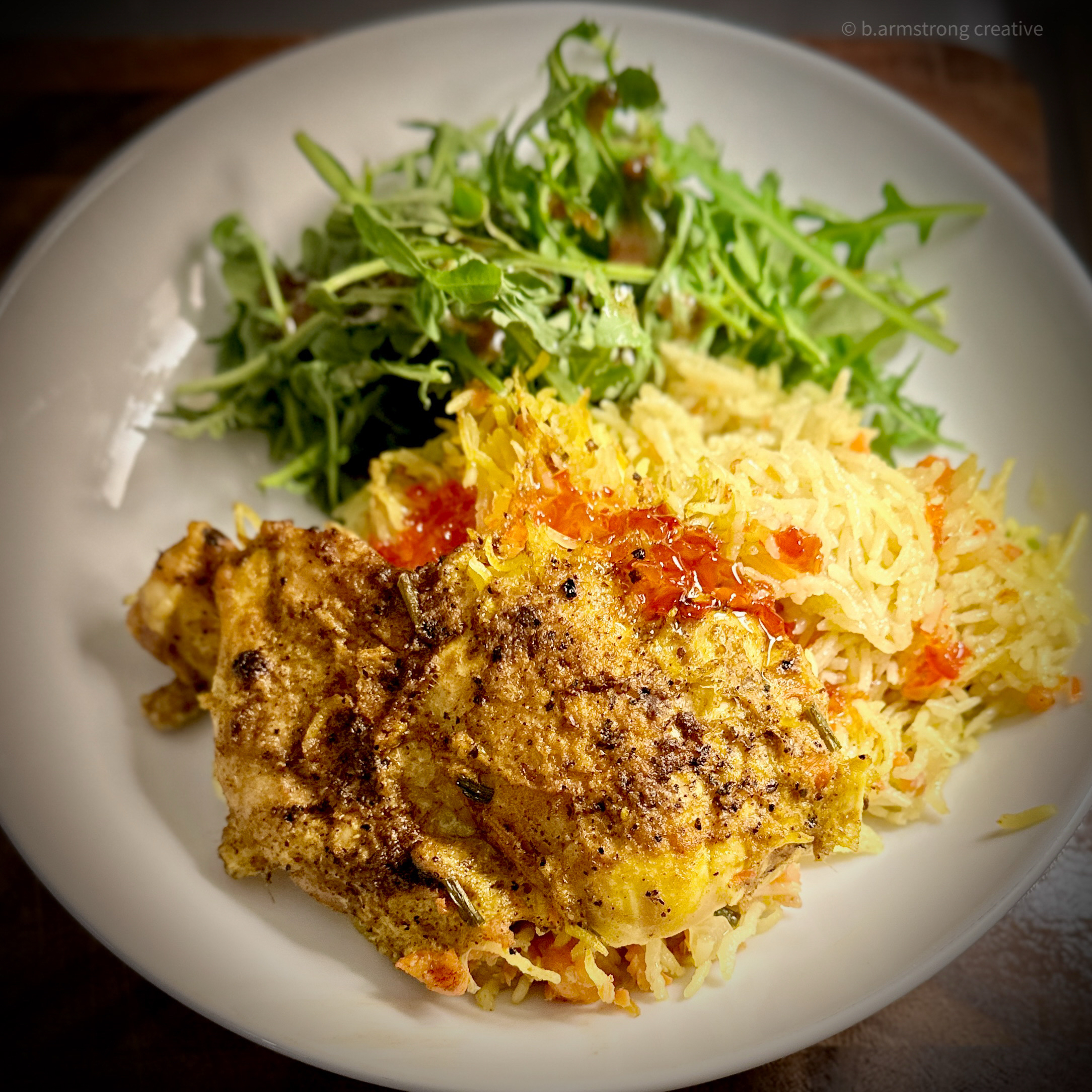
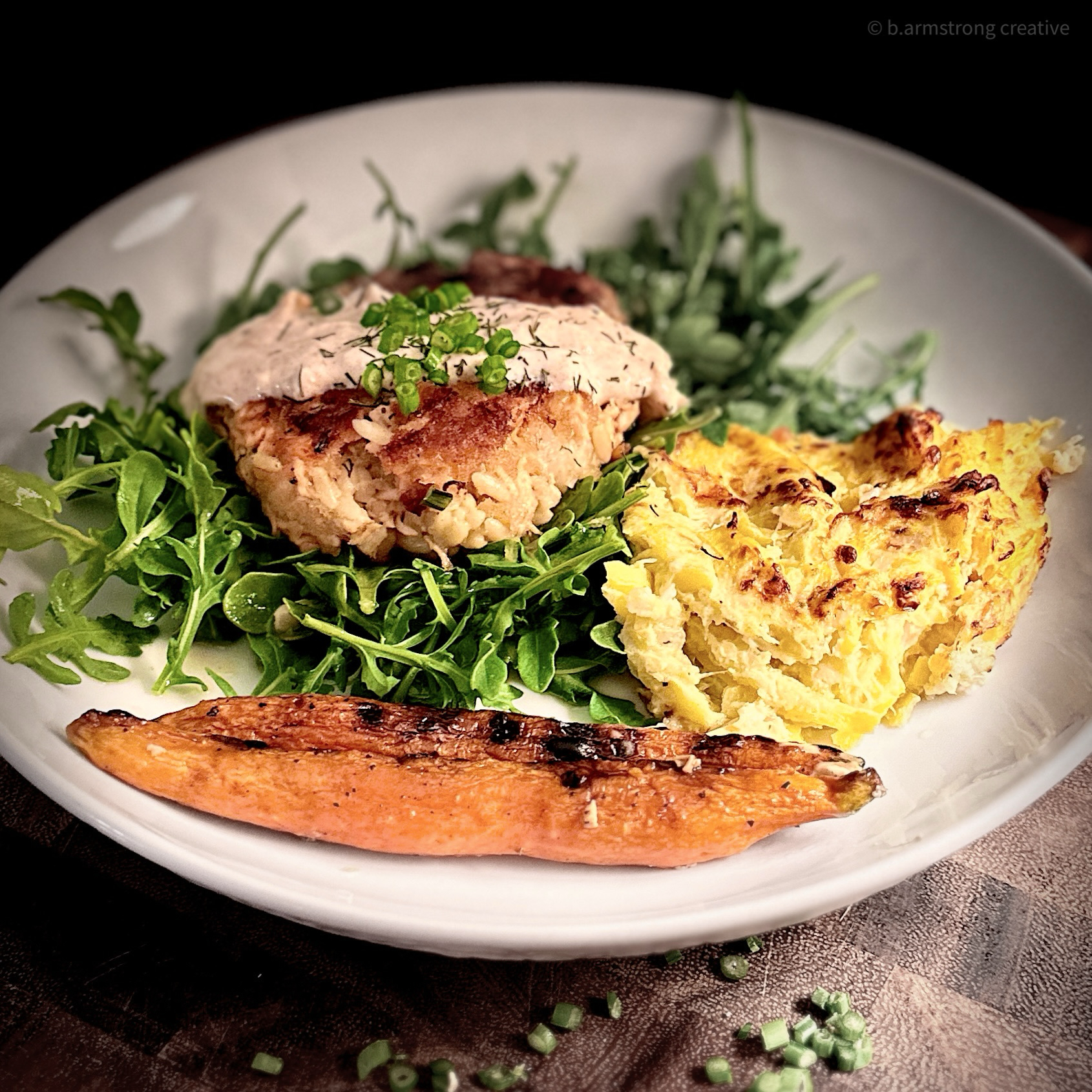
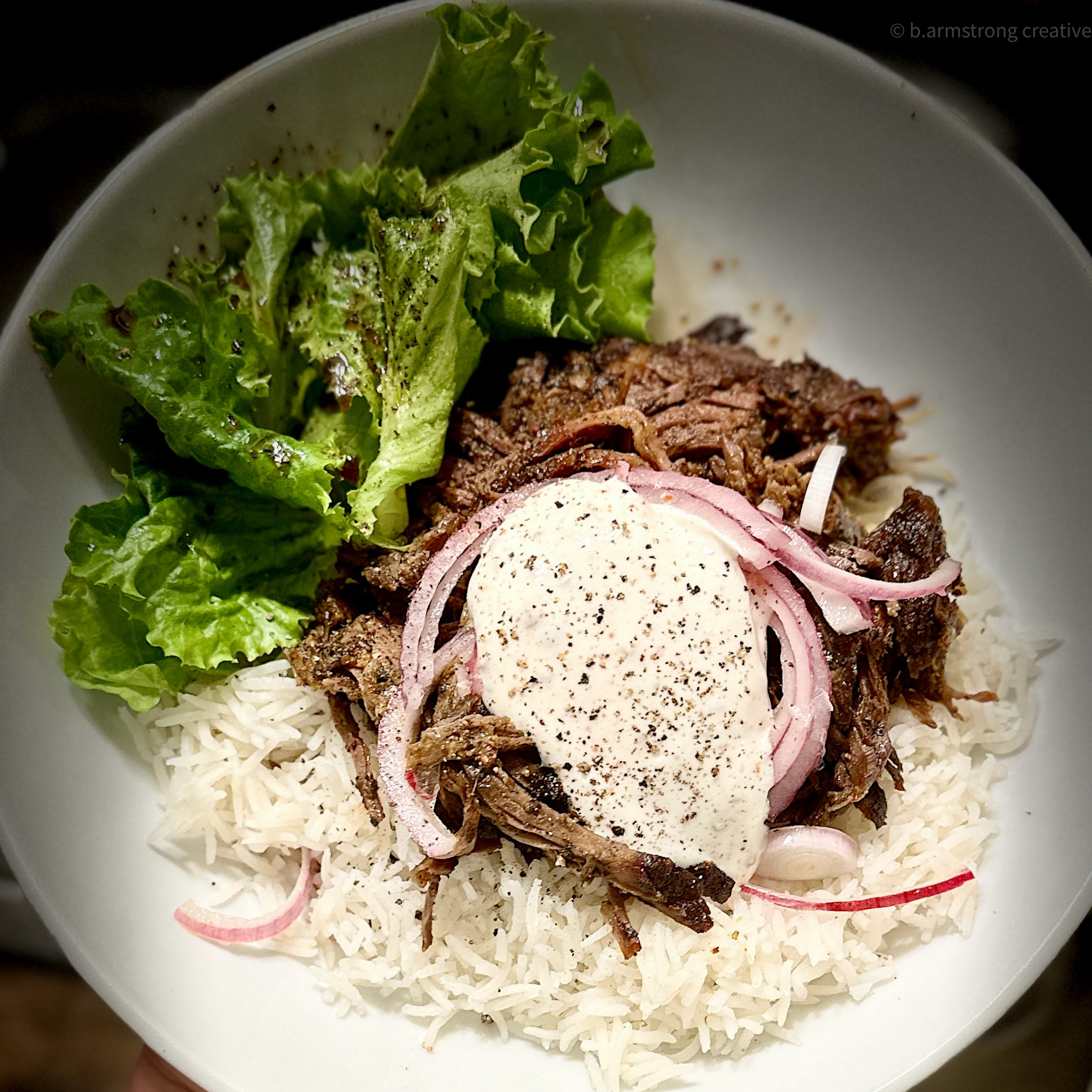
To my amazement, instead of yet another bland casserole, I was graced with Ruhama Shitrit’s Amba Chicken and Rice, a Jewish-Iraqi recipe with turmeric, no less. Like all of the best food adventures, this recipe required work, both intellectual and culinary. This meant some research on Middle Eastern diaspora because I never really considered Jewish-Iraqi culture. It also meant a hunt for Amba sauce, a spicy pickled mango chutney that originated in 19th-century Baghdad’s Jewish market. Amba is not an easily acquired condiment in the southern US, so I had to make it myself. After that it was a snap and begrudgingly, I have to admit this technically is a casserole. So I fired up the big oven in mid-June, heated up the kitchen, and baked along with dinner. But the algorithm nailed it.
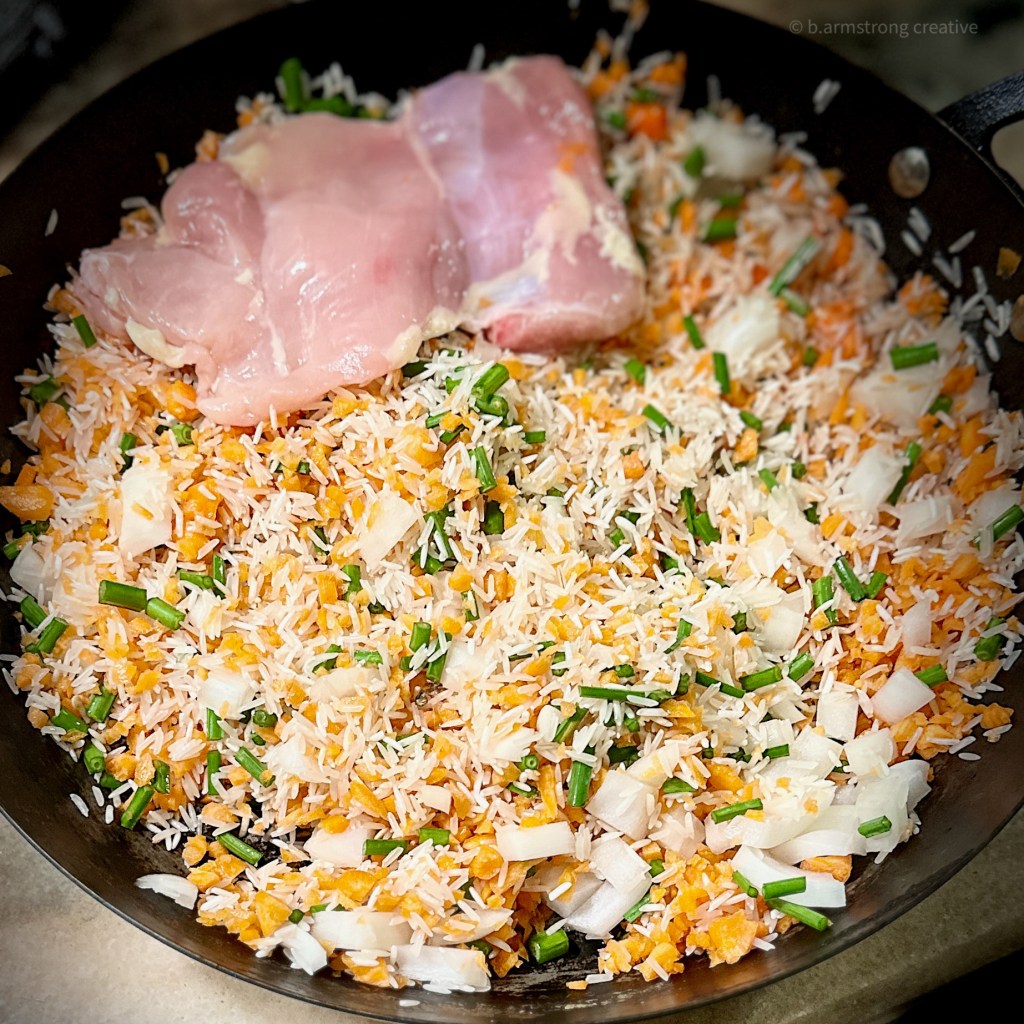

Mother was never really a casserole gal, but me being me, I gave those two trendy recipes (and dozens more) a fighting chance, and they are just fine. But again, being of a certain age, I now have to consider more than just the popularity, convenience, cost, or flavor of a recipe – there’s sodium, cholesterol, saturated fat, and carbs. And don’t get me started on sugar. Complicated optimism calls upon me to declare “I’m so sorry, I can’t” and then go find something far better with all the defiance and cheerful spite I can muster. That’s how we came to dine on fresh wontons and exotic chicken and rice. Take that, TikTok.
Zooming out from the kitchen, saying no wasn’t recessive, but rather a latent gene just waiting to be activated in my 50s when I’d finally had enough. Well, it’s activated now. You will have to find the path to a forthright, honest no that you can live with, but until then, I leave with the two sauces that got me to yes.
Wet Wet Chili Sauce

Okay, so this one really is a social media trend. It’s called Wet Wet because the liquid ingredients are added in two stages, one as hot oil is poured over the aromatics and the other as a collection of flavorful condiments. Basically, you create a chili oil and boost it with umami elements, so it fits right in with the rise of Lao Gan Ma Chili Crisp as a popularized condiment. TikToker Cassie Yeung “introduced” this sauce, which I found on Insta and adapted to serve with various Asian recipes.
Ingredients
- 4 Tbs thinly sliced green onions, white parts (I used some green too)
- 4 cloves garlic, minced
- 2 tsp fresh ginger root, peeled and minced
- 3 Tbs gochugaru (Korean chili flakes)
- 2 tsp sesame seeds
- 1 tablespoon sesame oil
- 1/2 cup neutral oil (I use avocado)
- 2 Tbs soy sauce
- 1 Tbs oyster sauce
- 2 Tbs Chinese black vinegar

Method
Add green onions, garlic, ginger, gochugaru, and sesame seeds to a heatproof bowl.
Heat avocado and sesame oils in a saucepan on medium. You will want it hot enough to bubble if you throw in a stray scallion, but don’t let it smoke.
Stand back and carefully pour the hot oil into the bowl with the green onion mixture.
Stir to combine then let the flavors meld a cool for a minute, then add soy sauce oyster sauce, and rice vinegar.
Amba Sauce

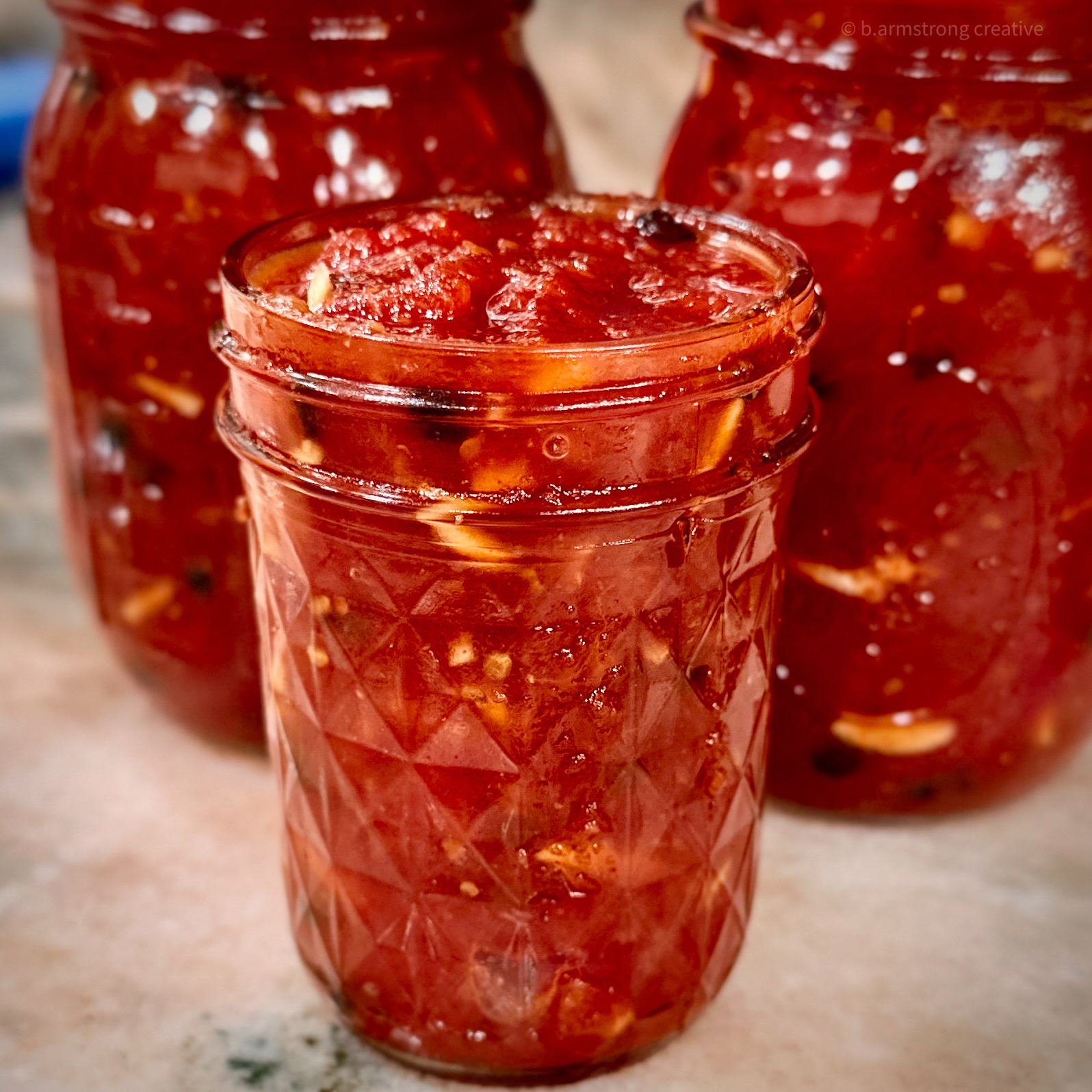
One could purchase Amba from Amazon or one could drive around town to every international food store to no avail. I am cheap, annoyed with Jeff Bezos, and sick of driving in Atlanta traffic so fine, I’ll do it myself. Again. Recipe adapted from “Quick Amba Sauce” by What Jew Wanna Eat: This ain’t yo bubbe’s blog.
Ingredients
- 1 Tbs olive oil
- 2 cloves garlic, minced
- 1 ripe mango, diced (I used 2 small)
- 1/4 tsp ground cumin
- 1/4 tsp sumac
- 1/4 tsp cayenne
- 1/4 tsp ground fenugreek
- 1/4 tsp salt
- 1/4 cup apple cider vinegar
- Juice of 1/2 lemon
- 1/4 cup water
- 1 tsp Dijon mustard

Method
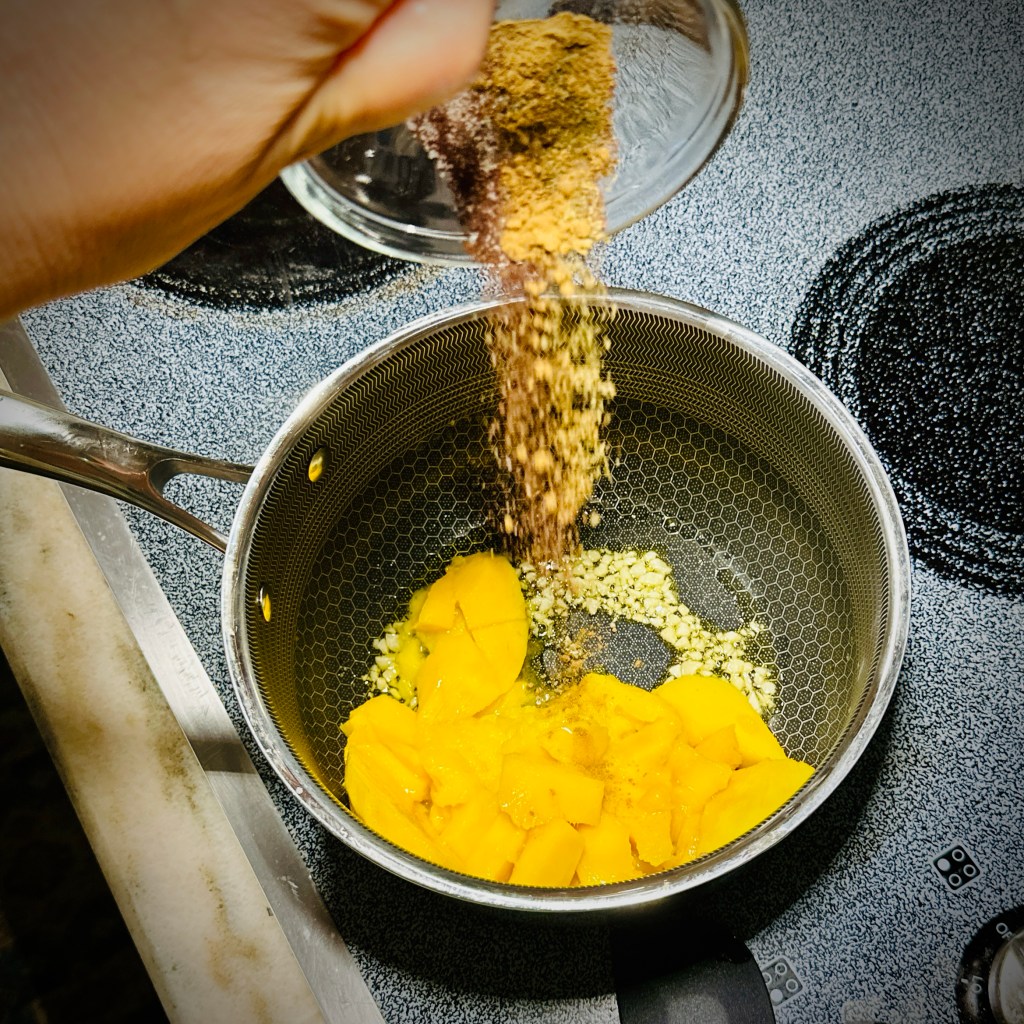
Add the olive oil to a saucepan on medium-low. Once warm, add garlic and saute for about a minute to soften and allow the oil to become fragrant.
Add the diced mango and dry spices. Stir and mash to infuse the mago with the spices.
Add the liquid ingredients (vinegar, lemon juice, water, mustard.) Continue to stir and mash until fully incorporated.
Cool and transfer to a blender to puree. You can also serve chunky, but I used this for the chicken and rice so blending was the way to go. Immersion blender works fine as well.
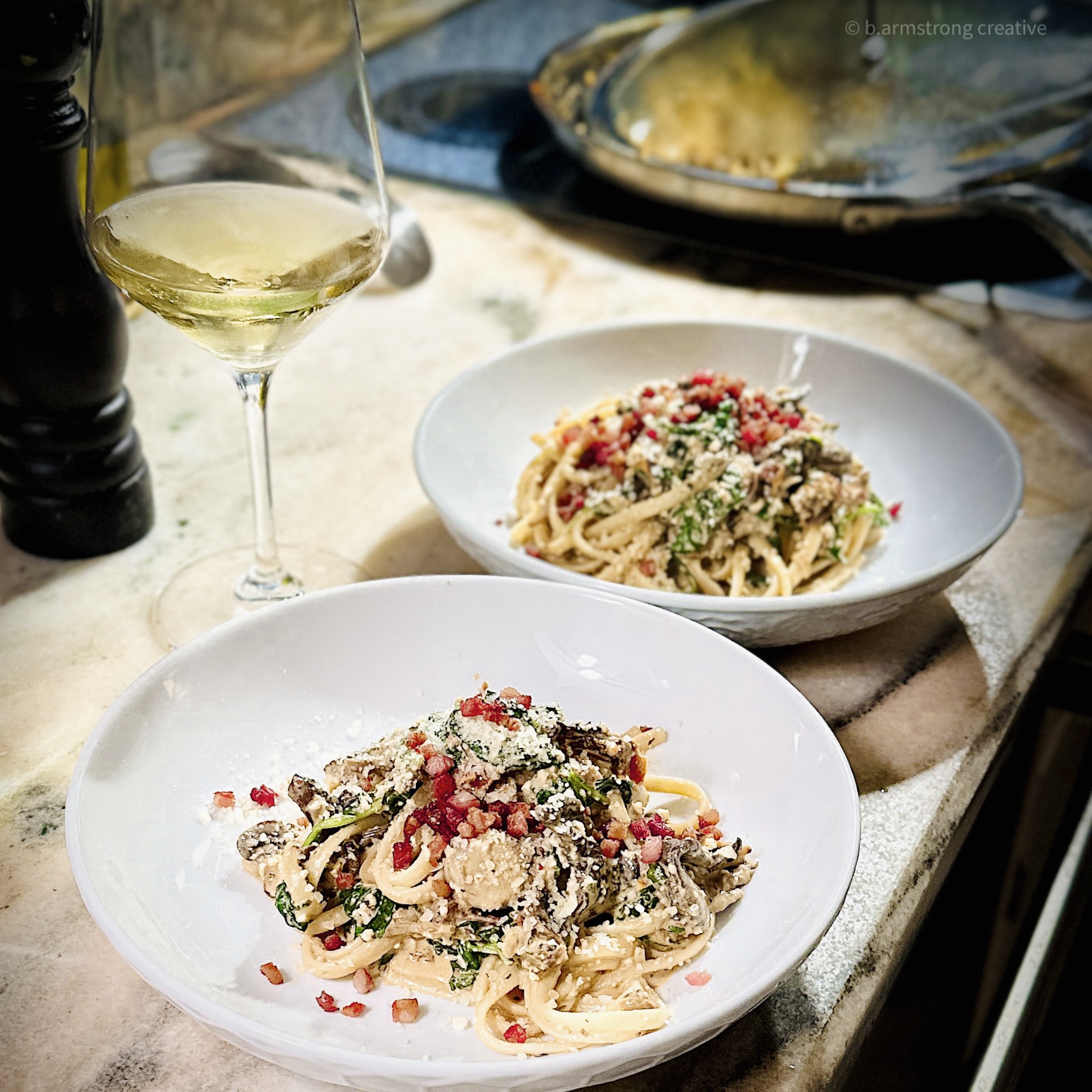
Ps. We did eat since my last post in April. Apparently, we drank as well.






 Foodishness