
…how fegatini rehabilitated a 17th century masterpiece.
Guess what? I have a story.
The genesis of the story was a platter of three crostini topped with Fegatini, Pomodoro e Basilico, and Stracciatella, Acciughe e Scorza di Limone. Last month I feasted on this fine trio at a little enoteca tucked in the corner of the Piazza della Repubblica in Cortona, Italy. This quaint medieval hamlet is perched high in the border hills overlooking Umbria and was the setting for the novel “Under the Tuscan Sun.”
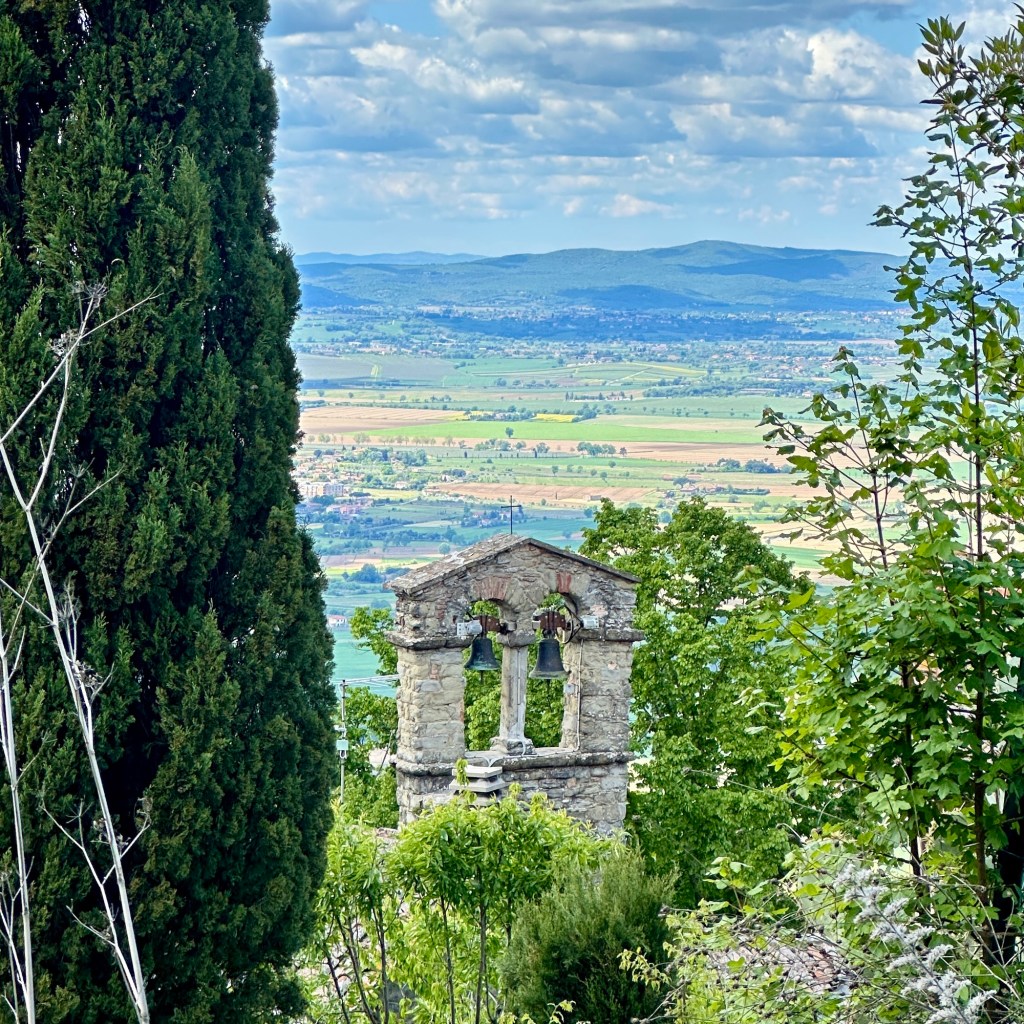
Cortona never quite made our pre-departure list of must-sees for an adventure that would stretch from Siena to a rural agriturismo, through a sampling of ancient hill towns on the way to a grand finale in Florence. However, an unexpected free day coupled with my newfound addiction to racing along the strade provinciali found us wandering into the piazza just in time for Sunday brunch. Cortona was the backdrop the universe chose to deliver my traditional, mid-holiday existential gospel, and fegatini, a gamey, rustic Tuscan liver pâté, became the week’s edible metaphor.
Before I go on and on about my personal revelations, I owe the region a proper tribute. Despite what felt like the entire world telling me otherwise, I was stubbornly skeptical that Tuscany could compare to our 2019 Rome adventure. Proven very, very wrong, I humbly submit this slideshow of the panoramic, artistic, and culinary treats of Toscana:
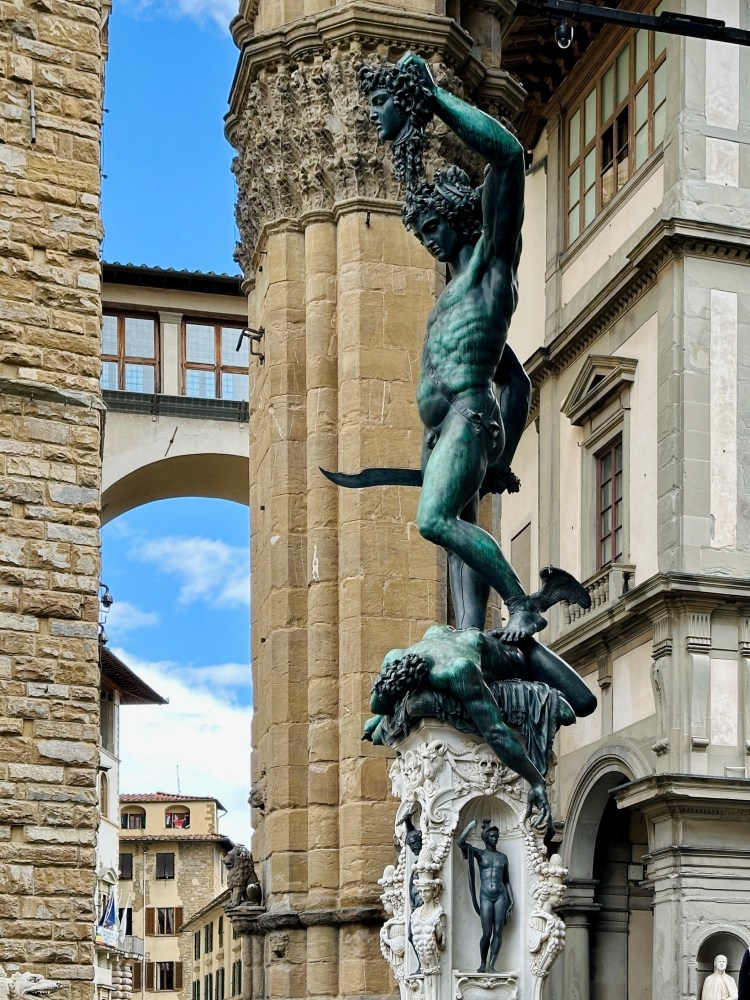
Piazza Vecchio 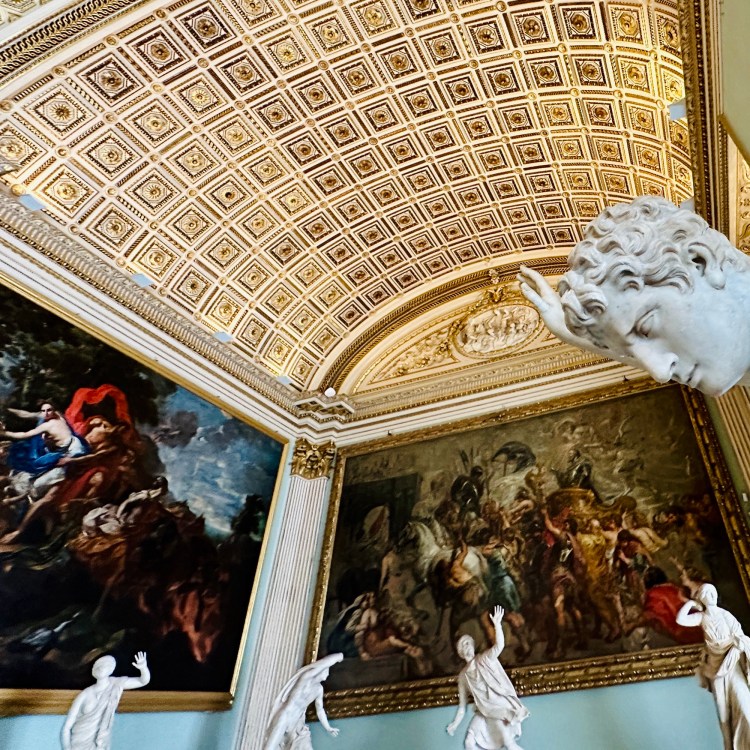
Uffizi 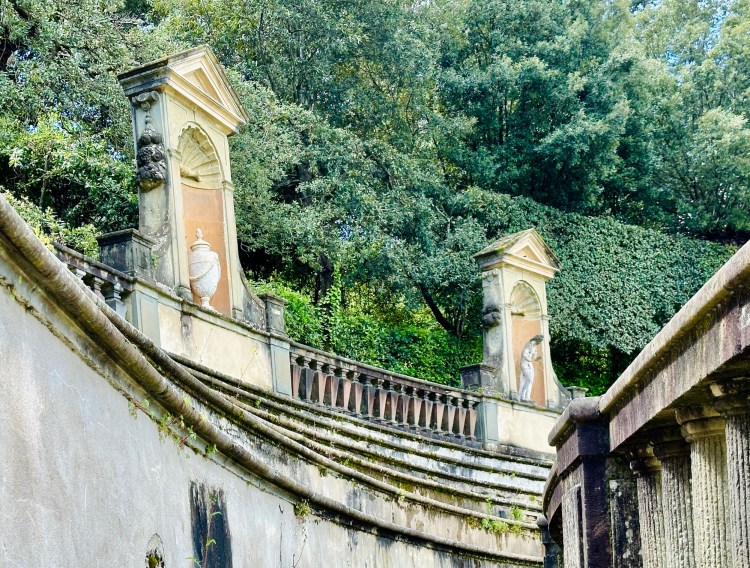
Giardino di Boboli 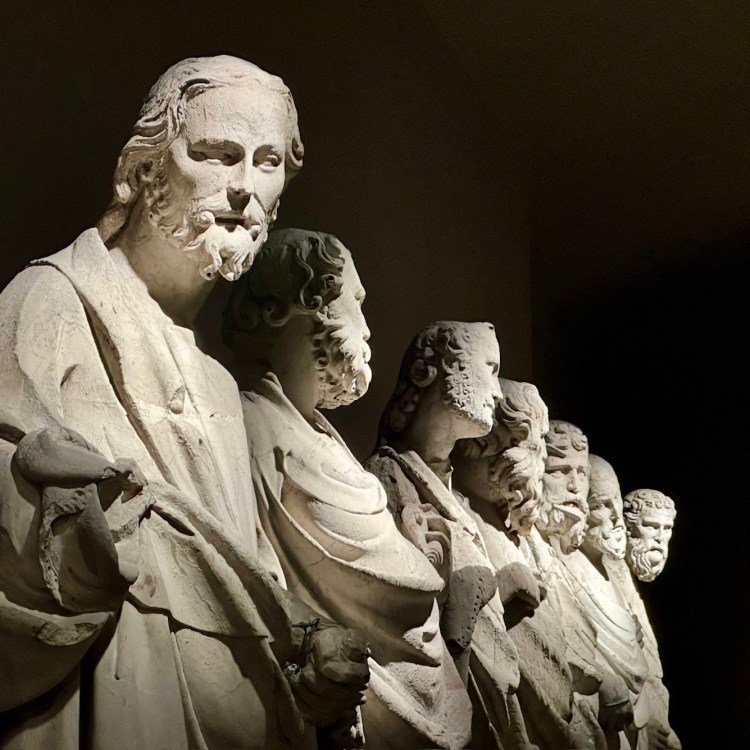
Siena 
Piazza Grande, Montepulciano 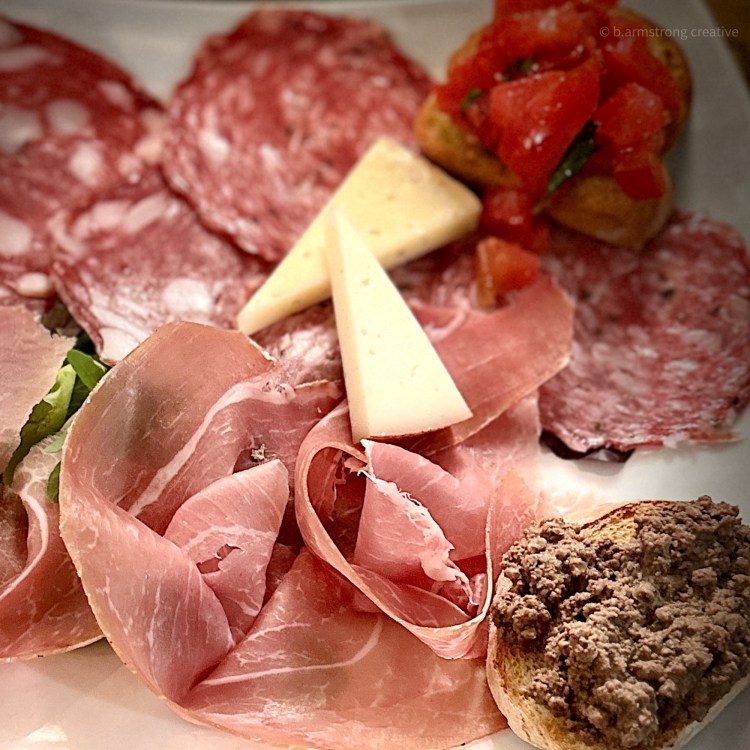
antipasti with fegatini 
Agriturismo Mocine 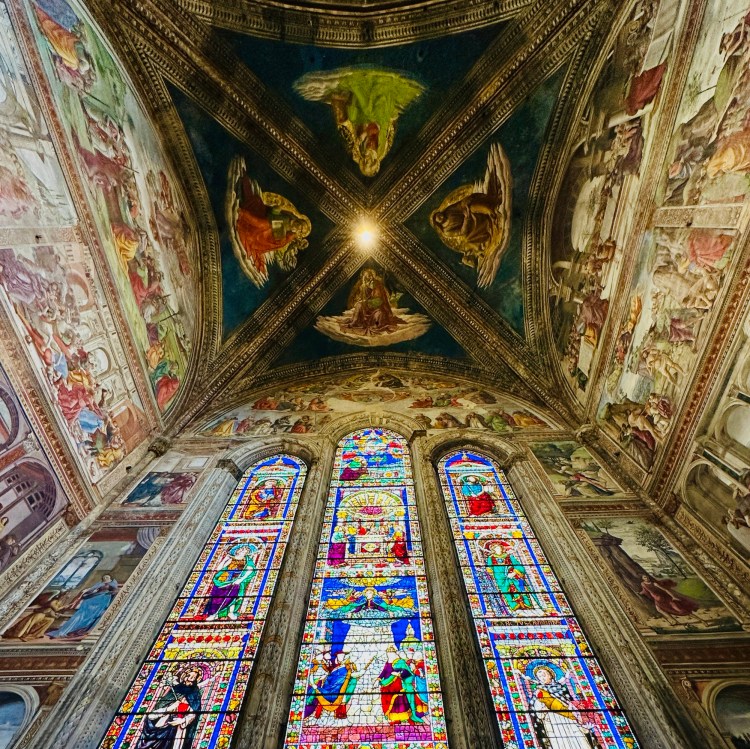
Santa Maria Novella, Firenze 
Siena 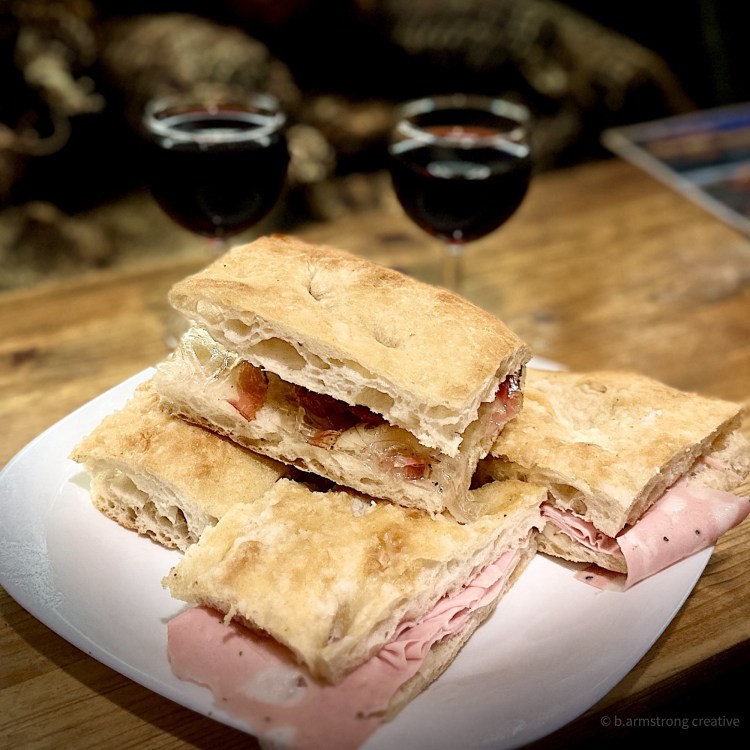
Mortadella and friends 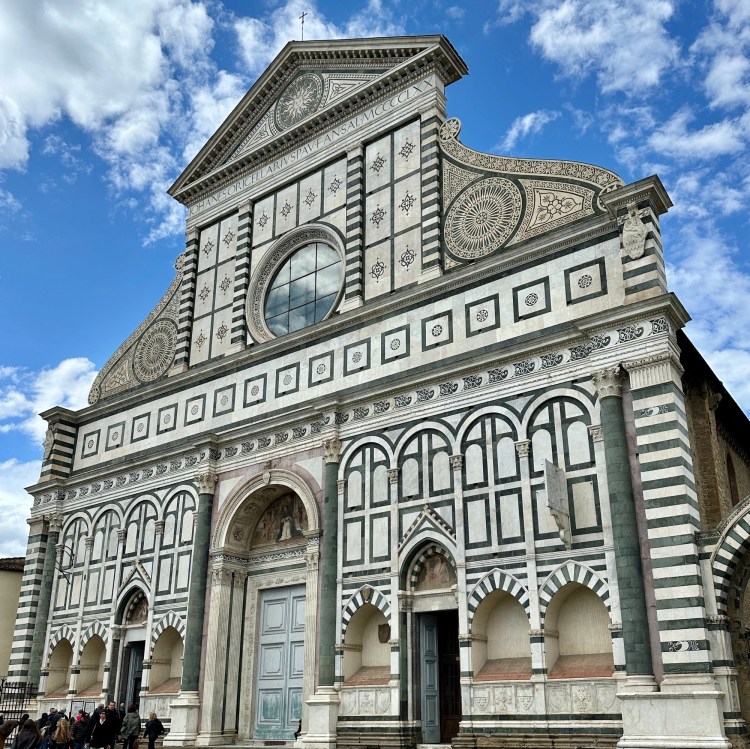
Santa Maria Novella, Firenze 
Asciano 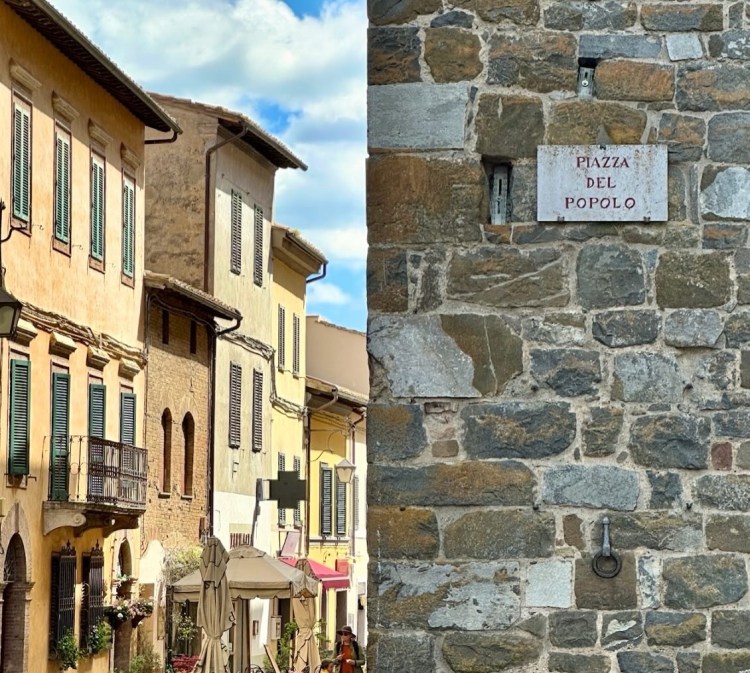
Montalcino 
Taglierini di Ragù di Cinghiale 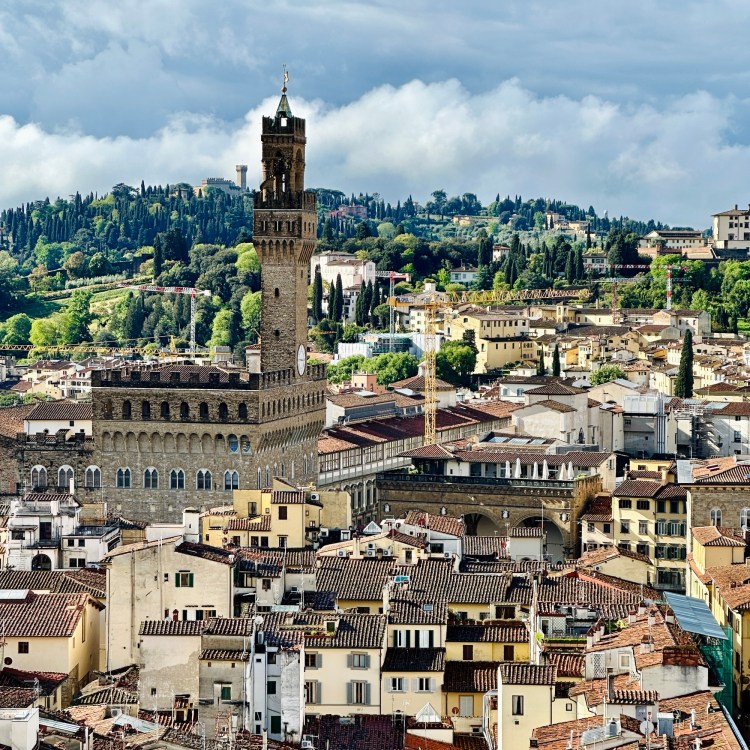
Firenze 
Cortona 
Torre de Mangia, Siena 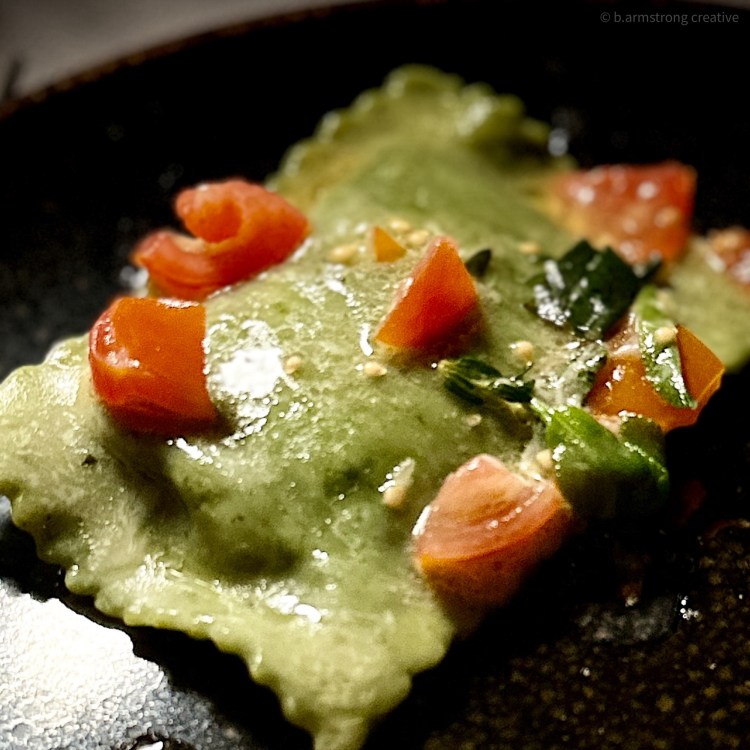
Ravioli Verdi 
Basilica di Santa Margherita, Cortona 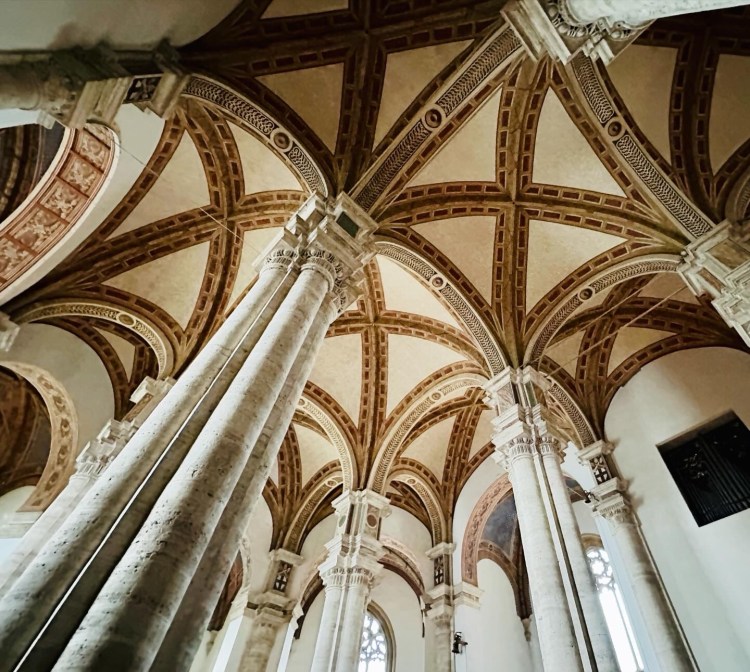
Duomo, Pienza 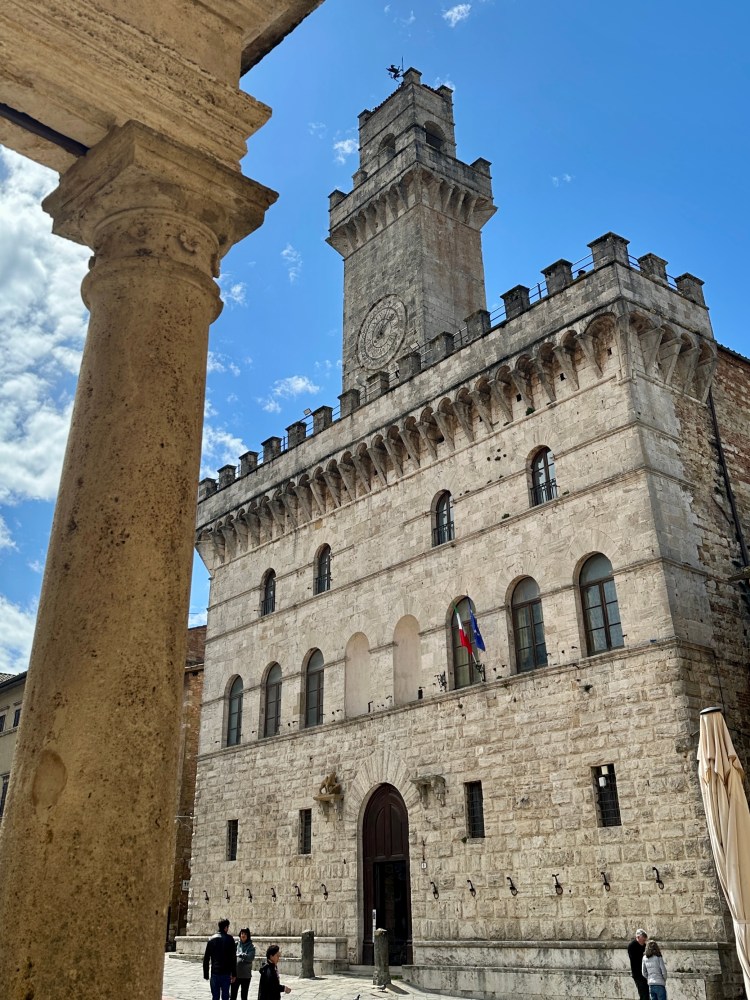
Montepulciano 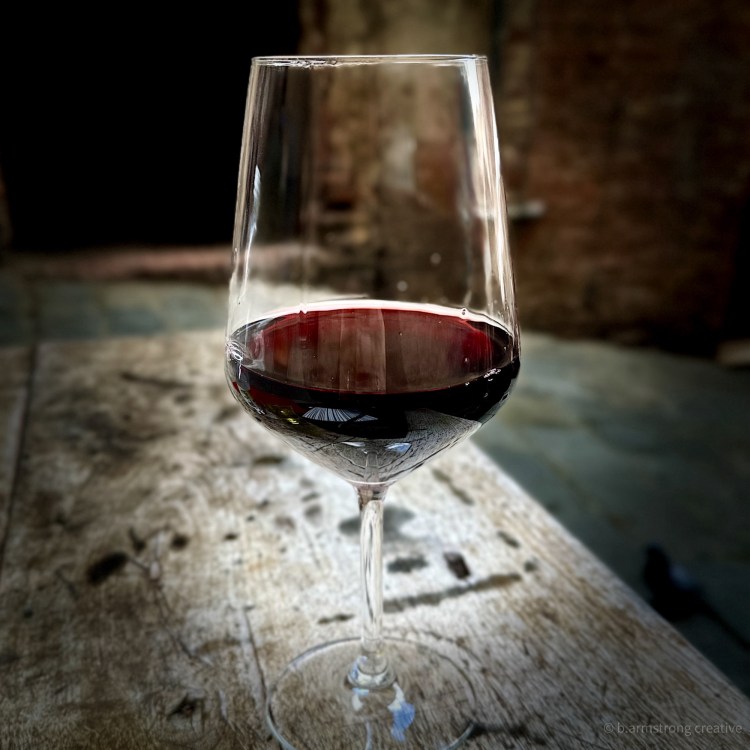
Brunello 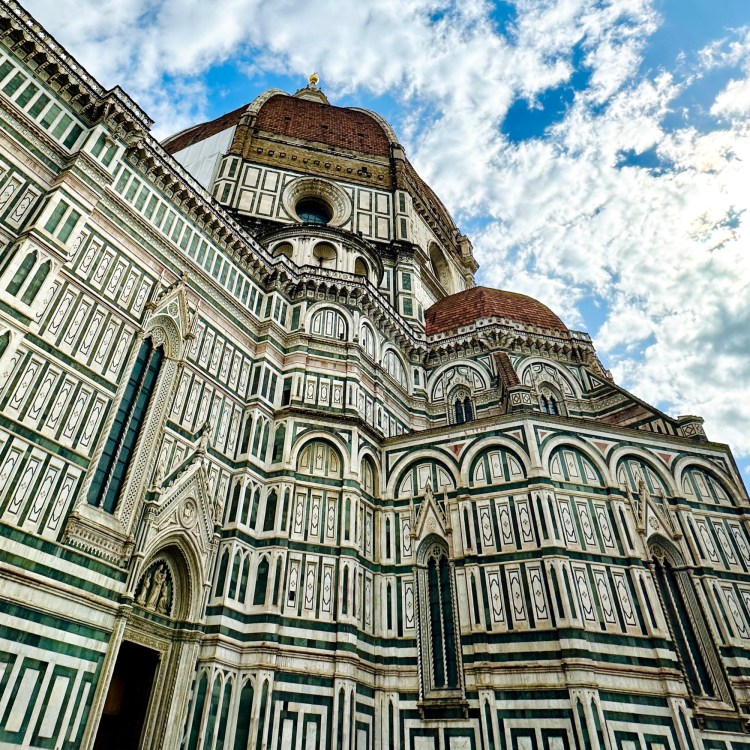
Duomo, Firenze 
Siena, Palio flags 
Asciano 
Palazzo Pitti 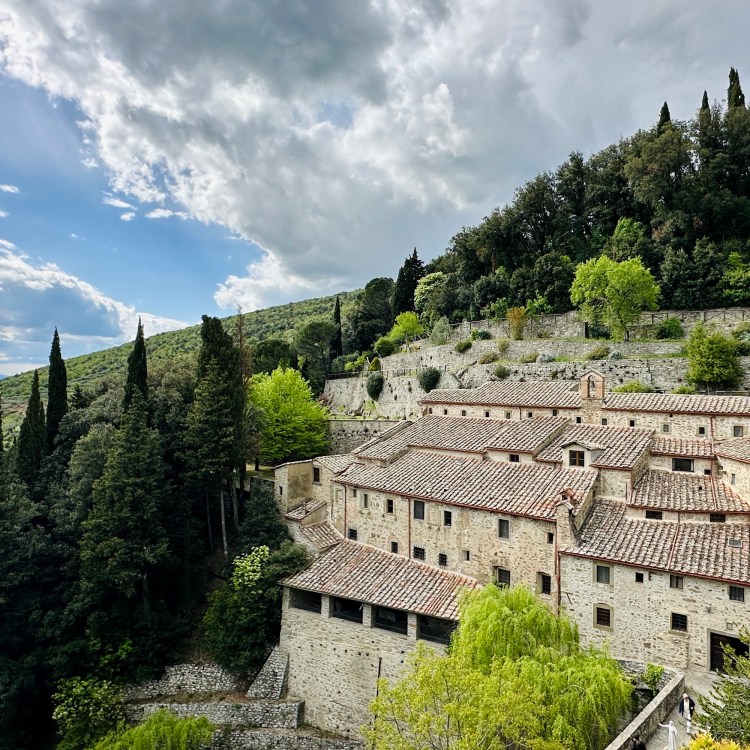
L’Hermitage “Le celle” 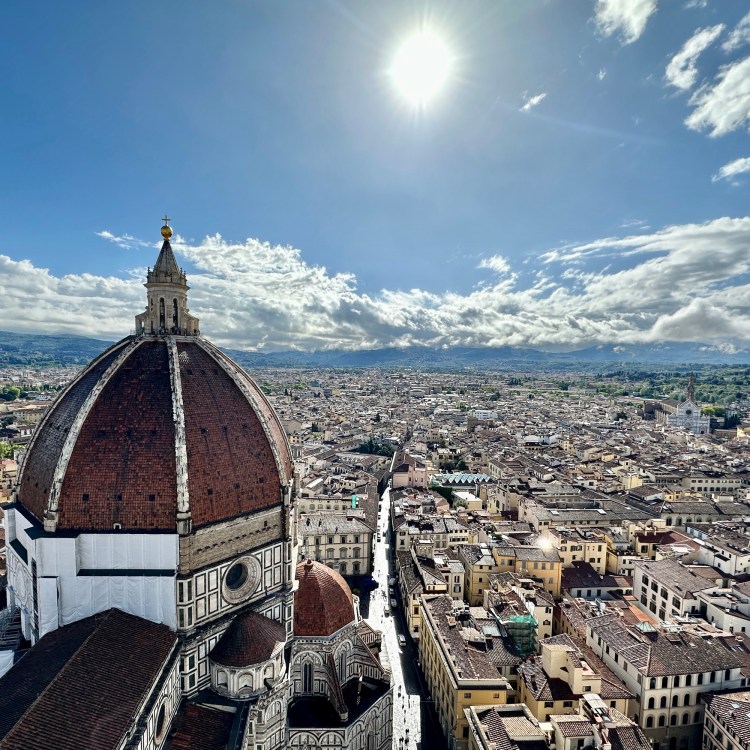
View from Giotto’s Tower 
Montepulciano 
Pici con Polpo Briaco al Chianti 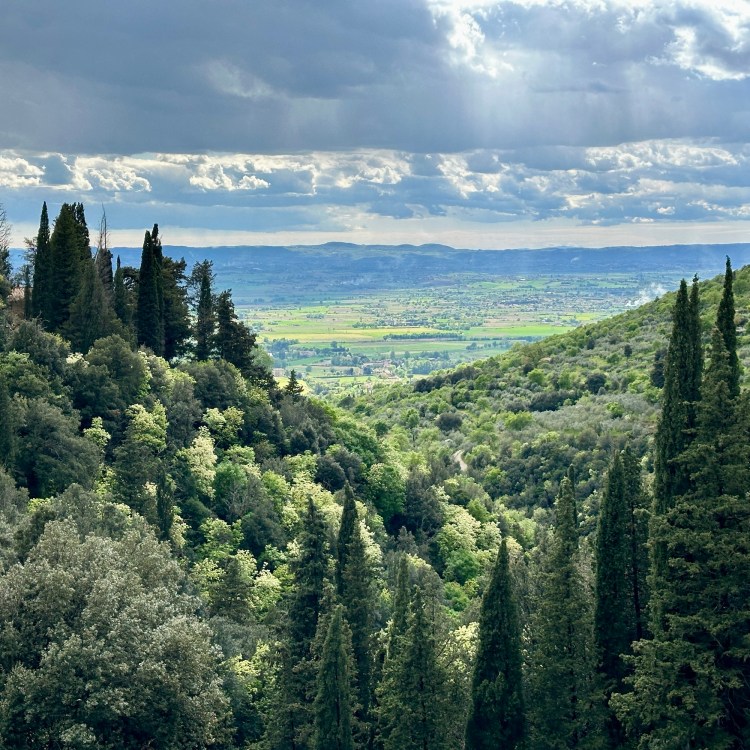
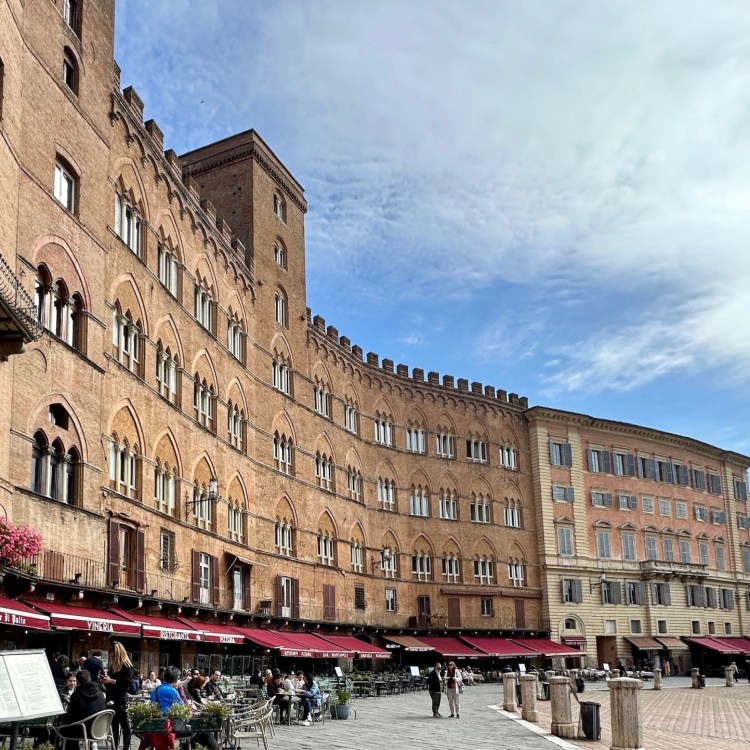
Il Campo, Siena 
Palazzo Piccolomini, Pienza 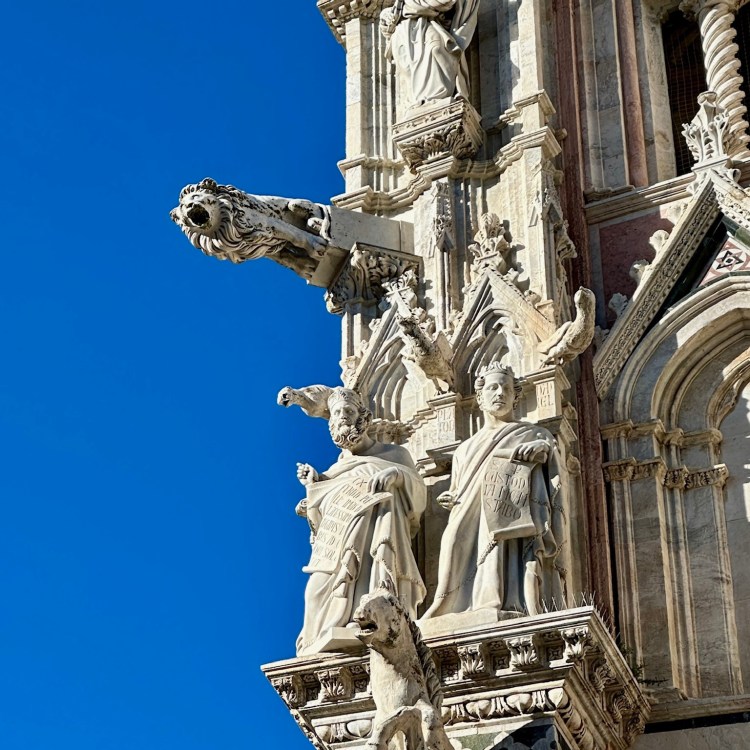
Duomo, Siena 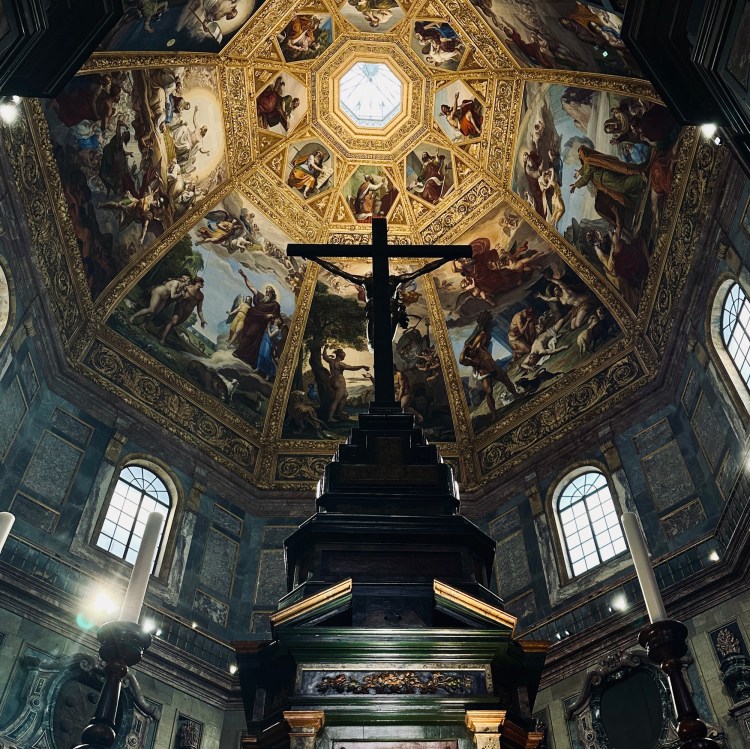
Cappelle Medicee 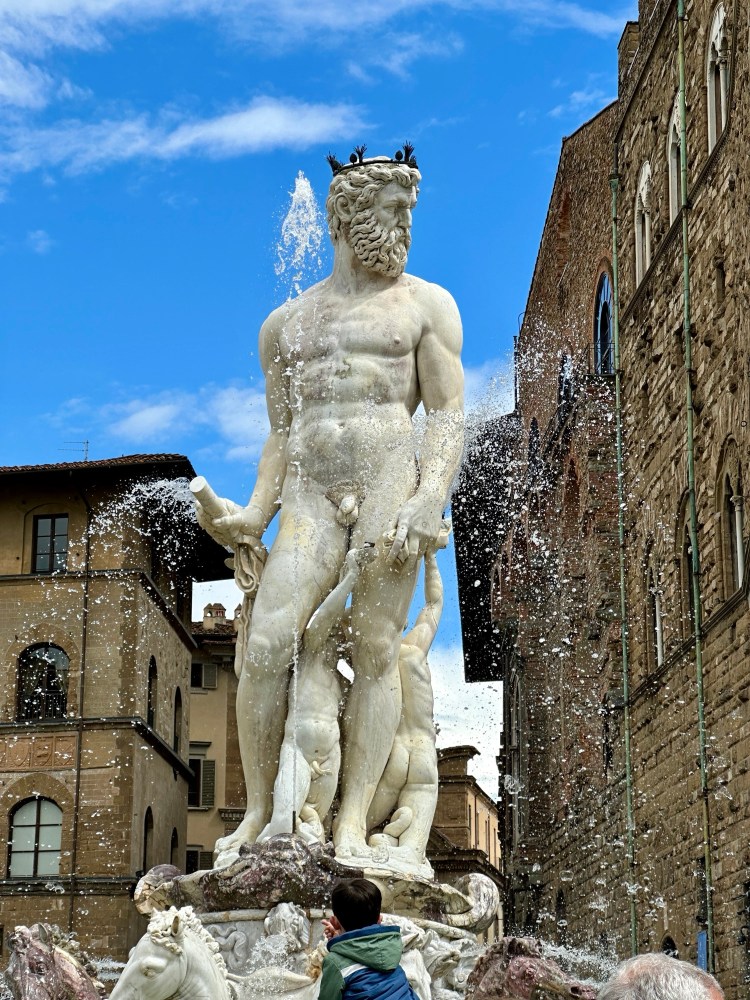
Fountain of Neptune by Bartolomeo Ammannati 
Chiesa di Sant’Agostino, Montepulciano 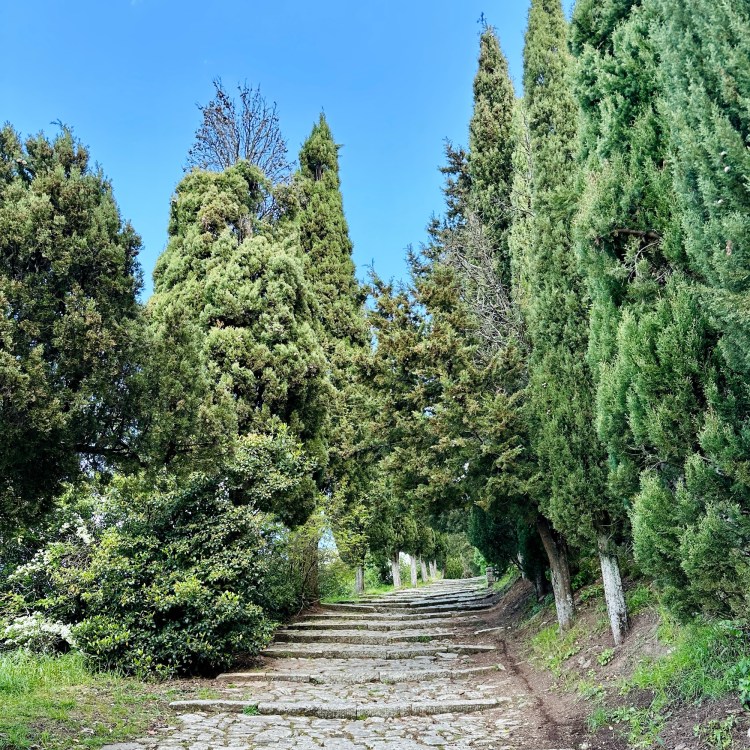
Cortona 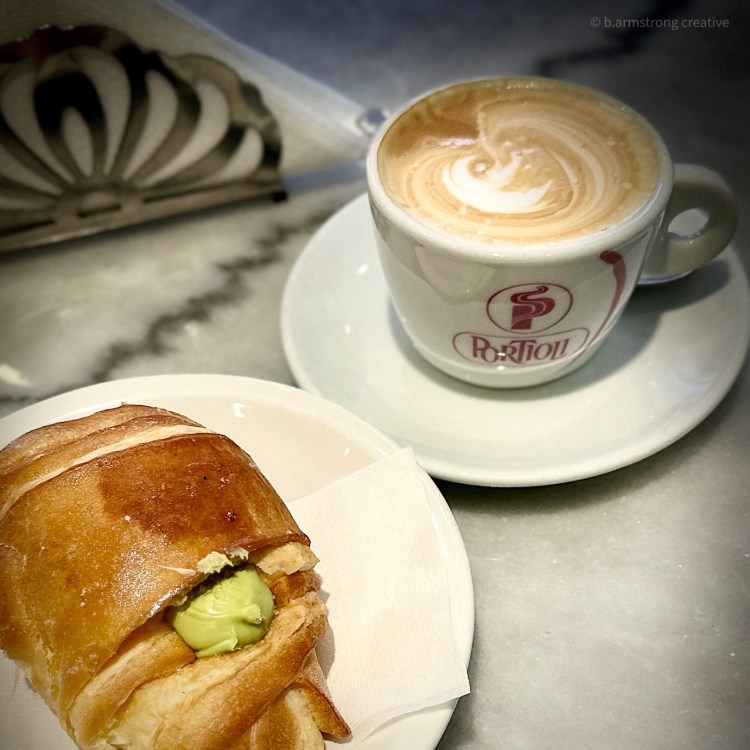
colazione 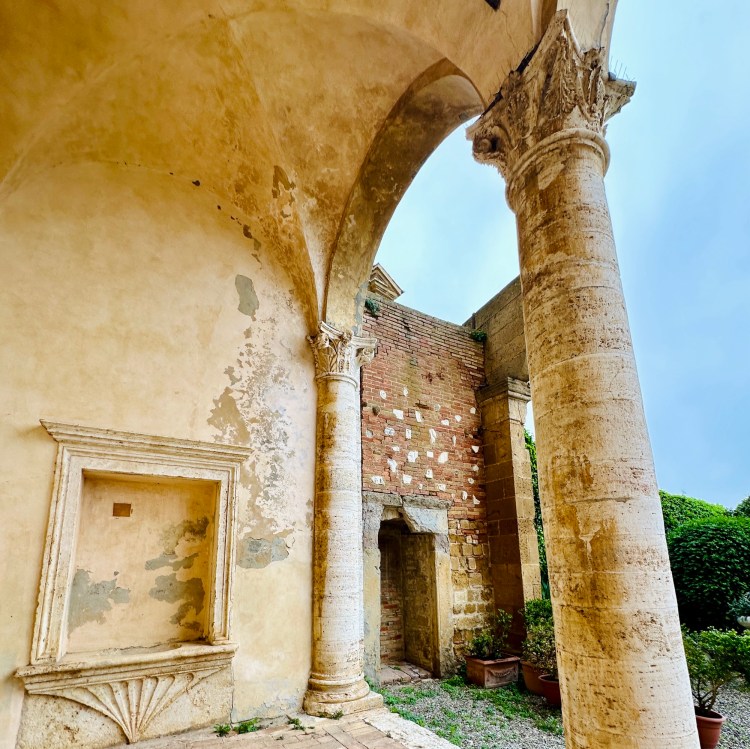
Palazzo Piccolomini, Pienza 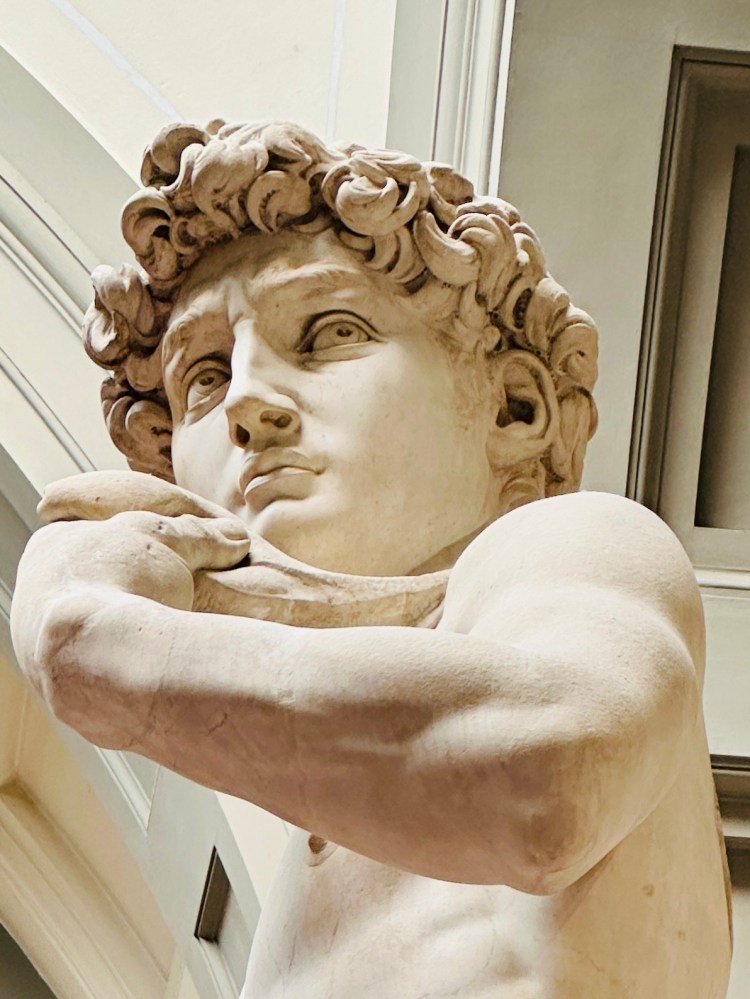
David 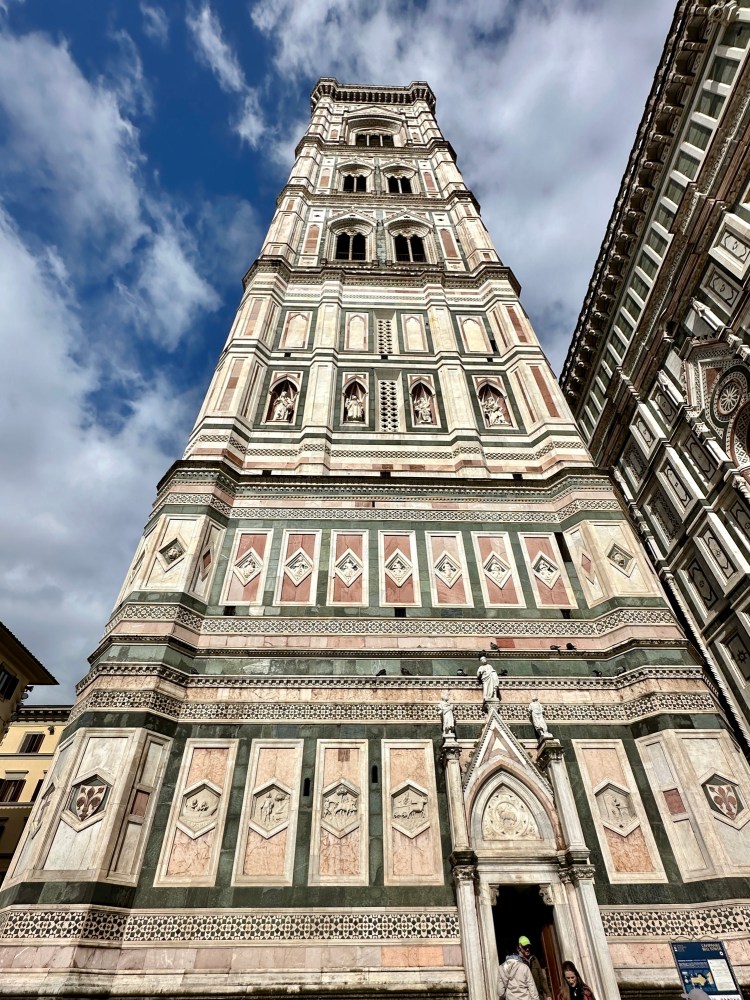
Campanile di Giotto 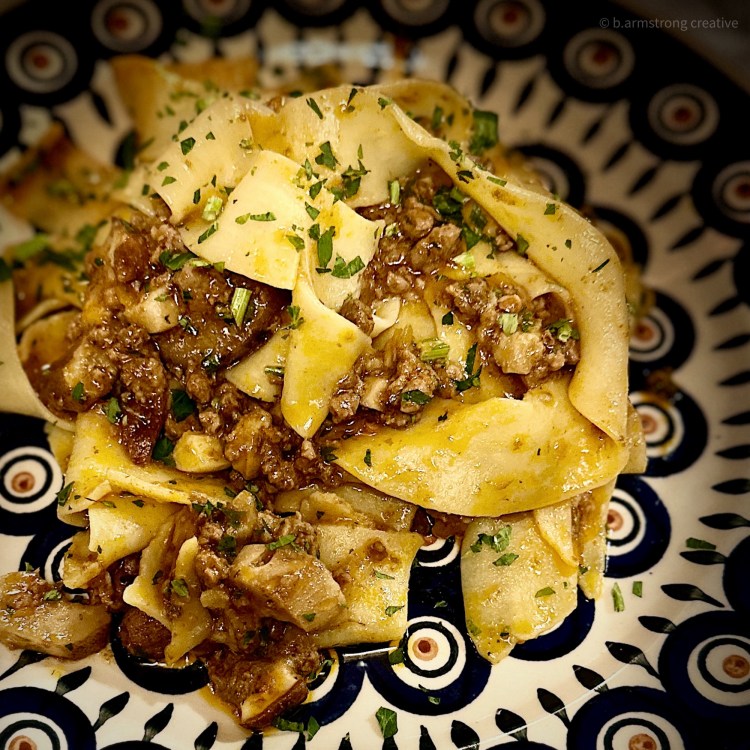
Pappardelle con misto di funghi 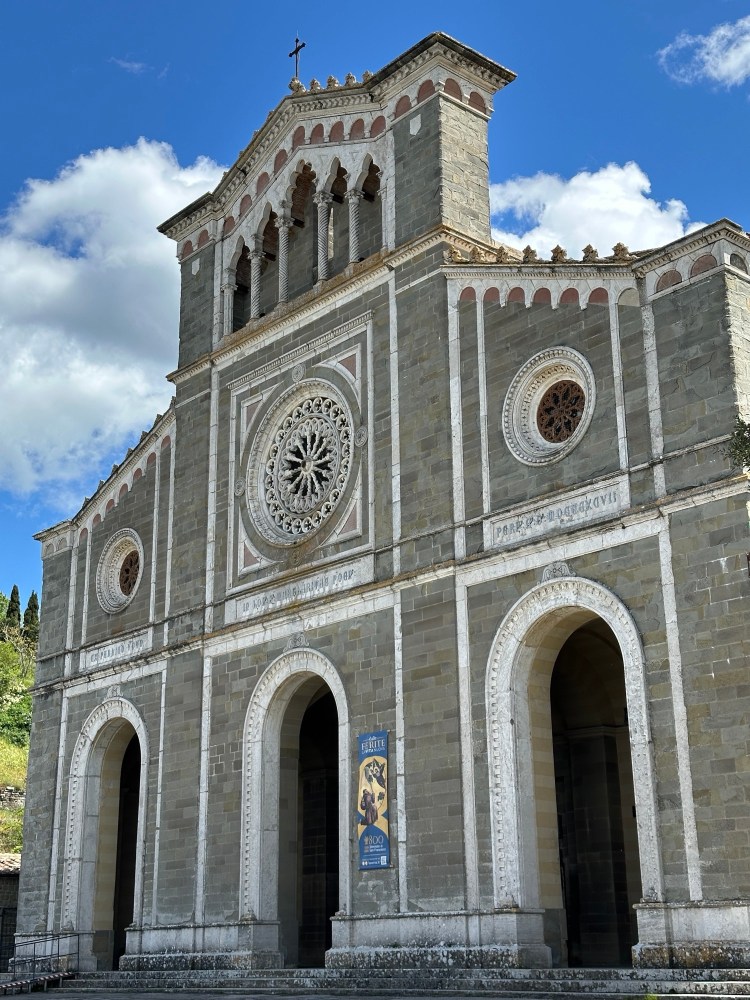
Basilica di Santa Margherita, Cortona 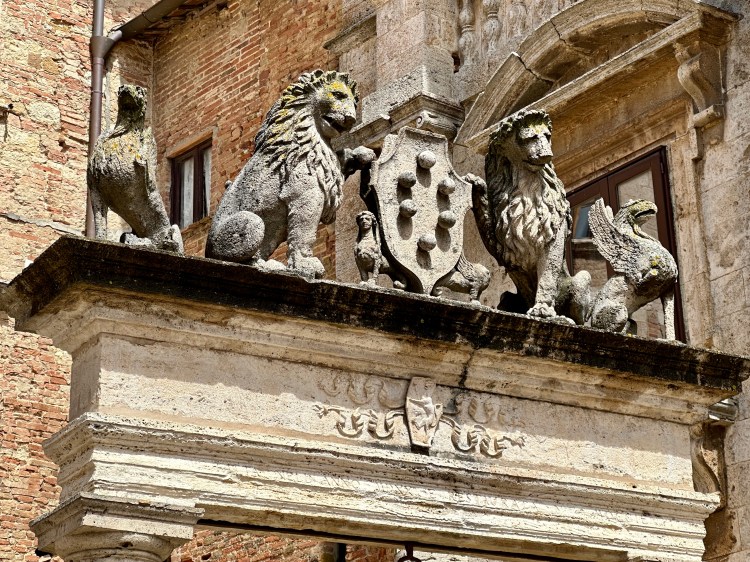
Montepulciano 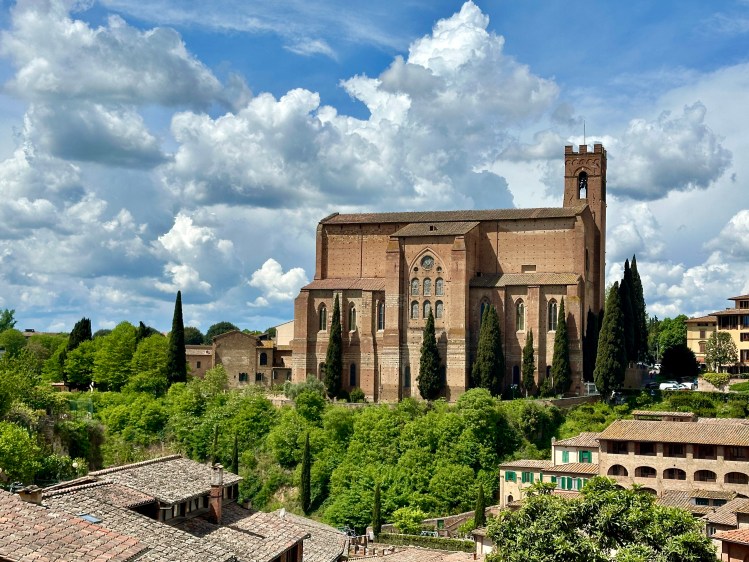
Siena 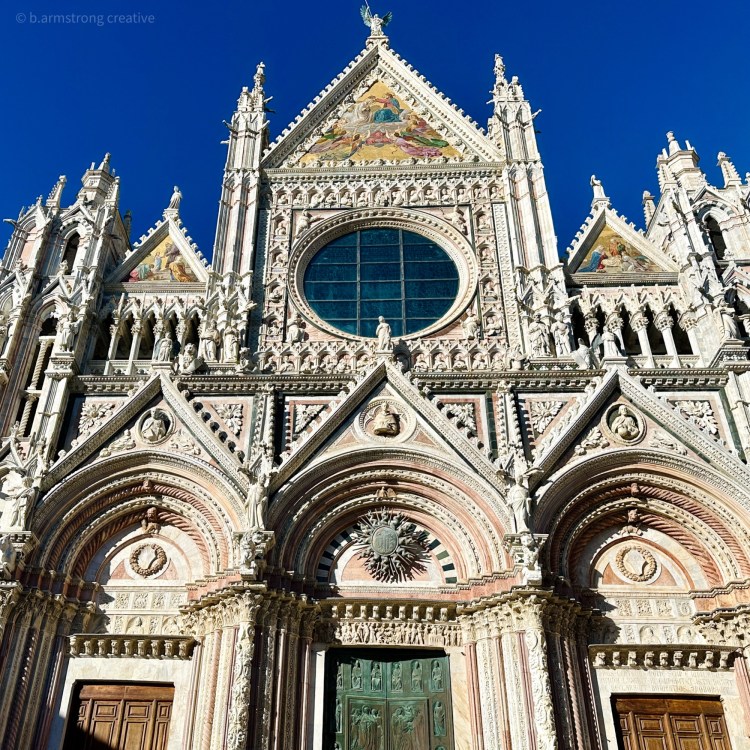
Duomo, Siena 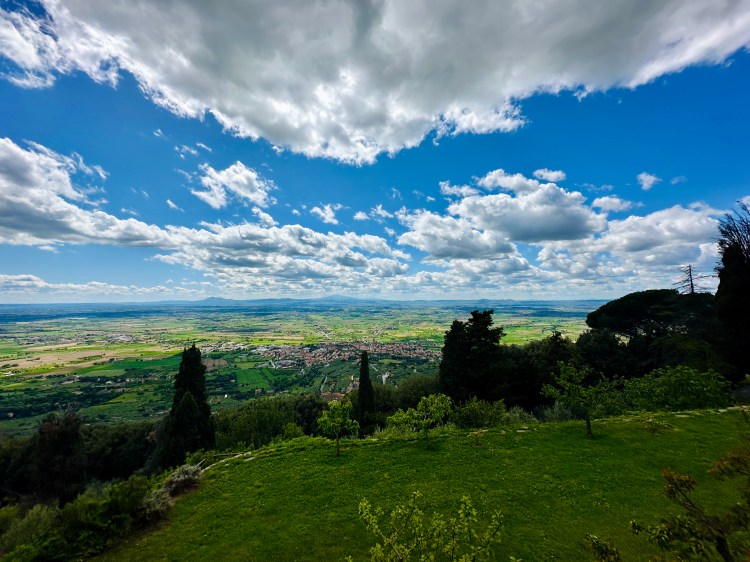
View from Cortona 
Duomo, Siena 
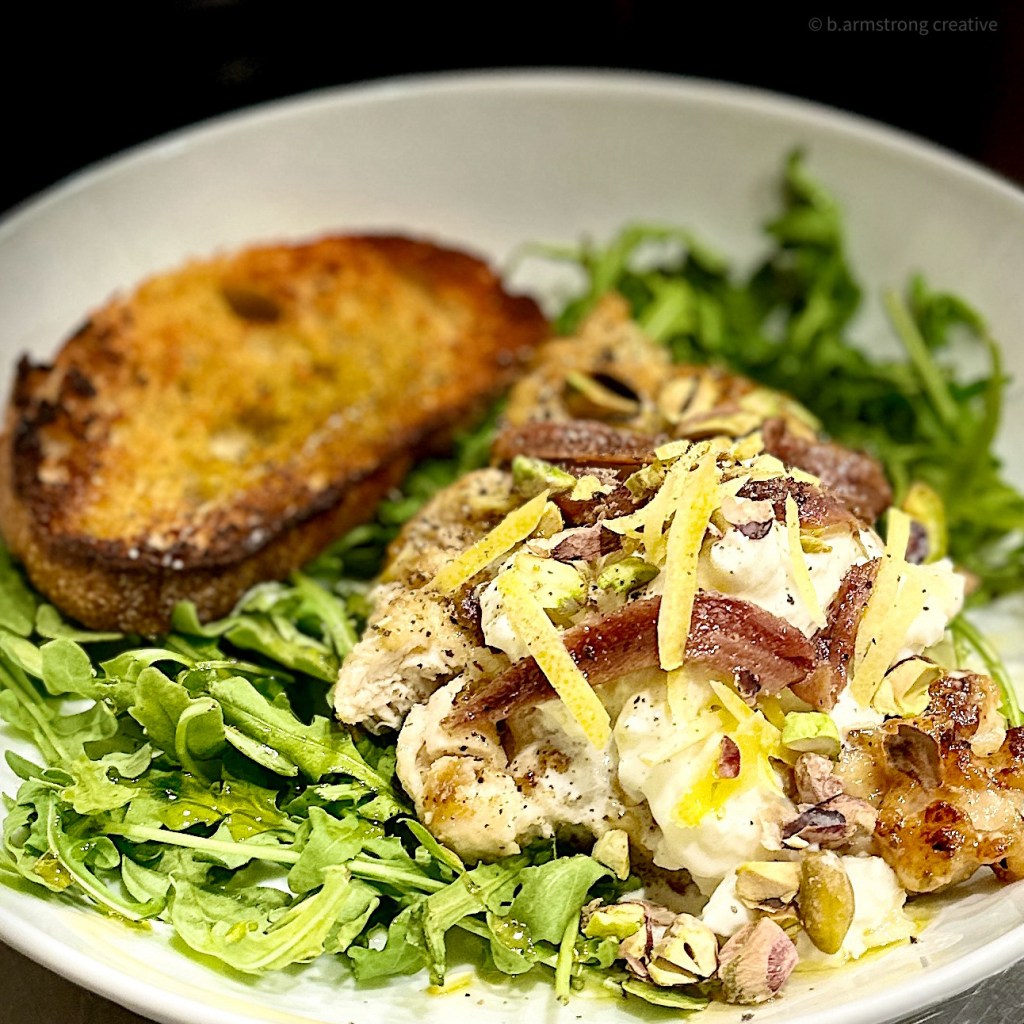
Cheese with a rocket salad
As a hungry and curious consumer of other cultures, I landed in Tuscany with enough naïve energy to spend the entire week simply lapping up information. The plan was to inhale the landscape, swoon over the art and architecture, relish the food, sip the vino, take a million photos, and then process it all after I got home to boring old Atlanta. It was supposed to be a don’t-think-just-enjoy trip and I was obediently exercising my lessons from London and remembering to Look Up. But by day four I began to notice a bit of overcompensation.
It turns out I was operating with that familiar mindset we all picked up during the pandemic as if I might never set foot outside of Georgia again. I was carelessly gobbling rather than savoring my environs, and there’s a huge difference. It’s fun to be a dreamy tourist, but after a few days, the happy doofus routine needs some balance. Balance showed up as fegatini which ignited a taste memory strong enough to send me swirling back to 1981 and a scarring childhood encounter. Suddenly I snapped back to reality.
Sometimes maturity feels like a mirthless, uninspired slog tethered to a lifetime of injustices and hard lessons. But it can also surprise us in the form of reanimated curiosity and the enlightened perspective to simultaneously grow and let go. For the first time in over 40 years, I was excited to reshape a crappy memory, and maturity called in the calvary. It arrived with pragmatism, honesty, and a little benign, but unyielding rumination. Yay…maturity.
And now, meet Judith. She’ll explain everything.
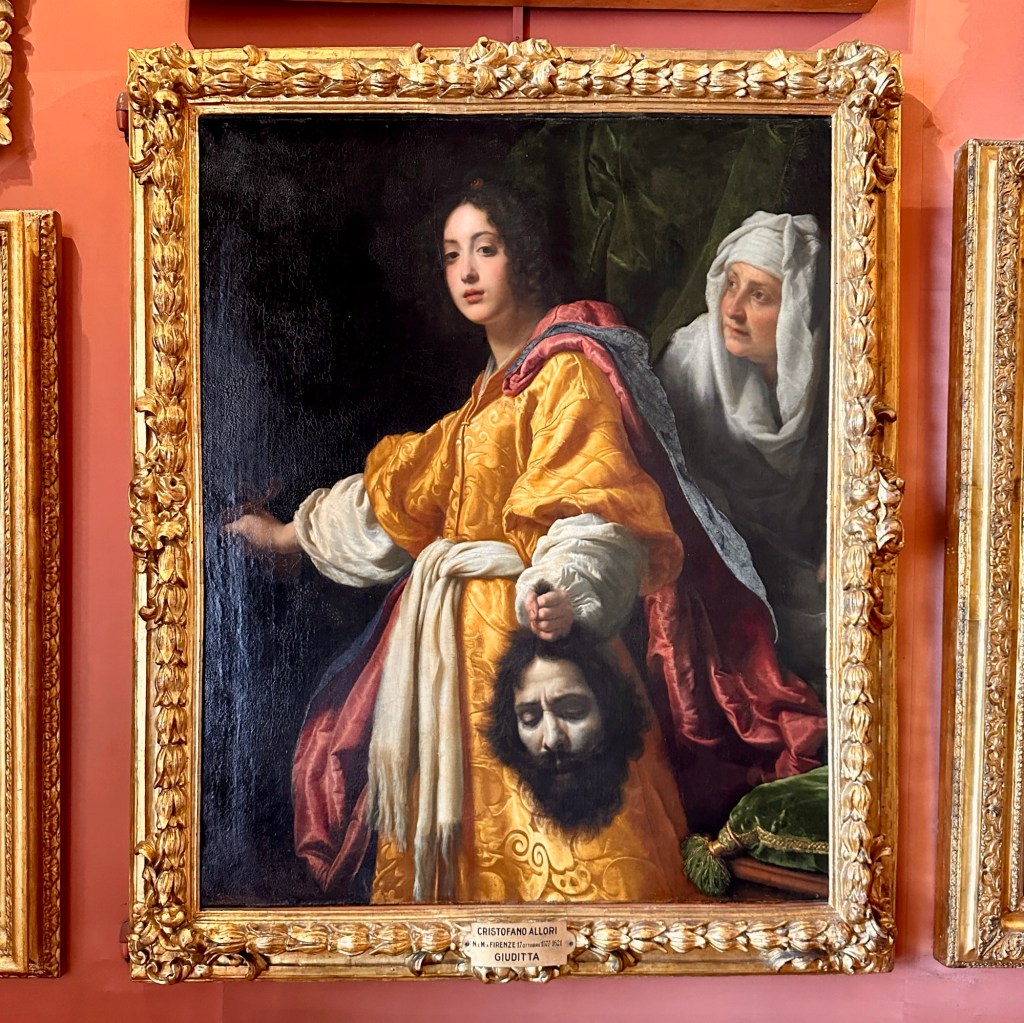
Judith was a pious 6th-century BC Jewish widow who seduced and beheaded Holofernes, an Assyrian general sent to invade Bethulia. She alone was fearless and clever when conventional political and religious leadership proved ineffective – they gave up, so she took matters into her own hands. He had it coming.
The apocryphal story of Judith is hardly biblical canon and is often dismissed as fictional romance. But it has been fodder for art and literature for centuries. Despite a few unsavory details (Judith praying to be a good liar and the whole seduction/assassination thing), the story gives off some serious female empowerment energy. This life-sized Baroque masterpiece hangs in the Palazzo Pitti in Florence, painted between 1610 and 1612 by Cristofano Alori. An early 19th-century copy also hangs in my family home in Savannah, so you’d think I’d adore her unconditionally. Alas, Judith and I have a history.

Lest you think my childhood was akin to traipsing through the halls of an Italian palazzo, this family photo was taken in the fanciest room of the house while wearing our finest garb and posing in front of the newly acquired painting. What you cannot see is the reality of growing up during the restoration of a weary, disjointed apartment building back to its 1880 Italianate glory. There were endless falling paint chips, missing railings/doorknobs/tiles, an army of seatless antique chairs, a refrigerator in a bathroom, beds in the dining room, and a roster of tenants ranging from a psychiatrist to a dental appliance workshop who kept the whole project funded. The giant house was neither pristine nor fashionable and I was forced to abandon my matching bedroom suite, floral wallpaper, and plush wall-to-wall carpet at age 12 when we moved in.
On the day of posed photo above, my extended family gathered for the happy occasion of my aunt’s wedding. Now I may be fusing several memories, but I believe that shortly after the photo shoot, a reception began and my foodie father placed his prized country chicken pâté on the sideboard behind us:
Right. Under. The. Severed. Head.
I swear this was no accident; it was entirely deliberate. I know this because I am my father’s daughter and it’s exactly what I would have done. And I would have thought it the funniest, most clever thing I’ve ever done, which I’m sure he did. I should also mention the bride and groom were vegetarian, which also tracks with Daddy’s modus operandi.
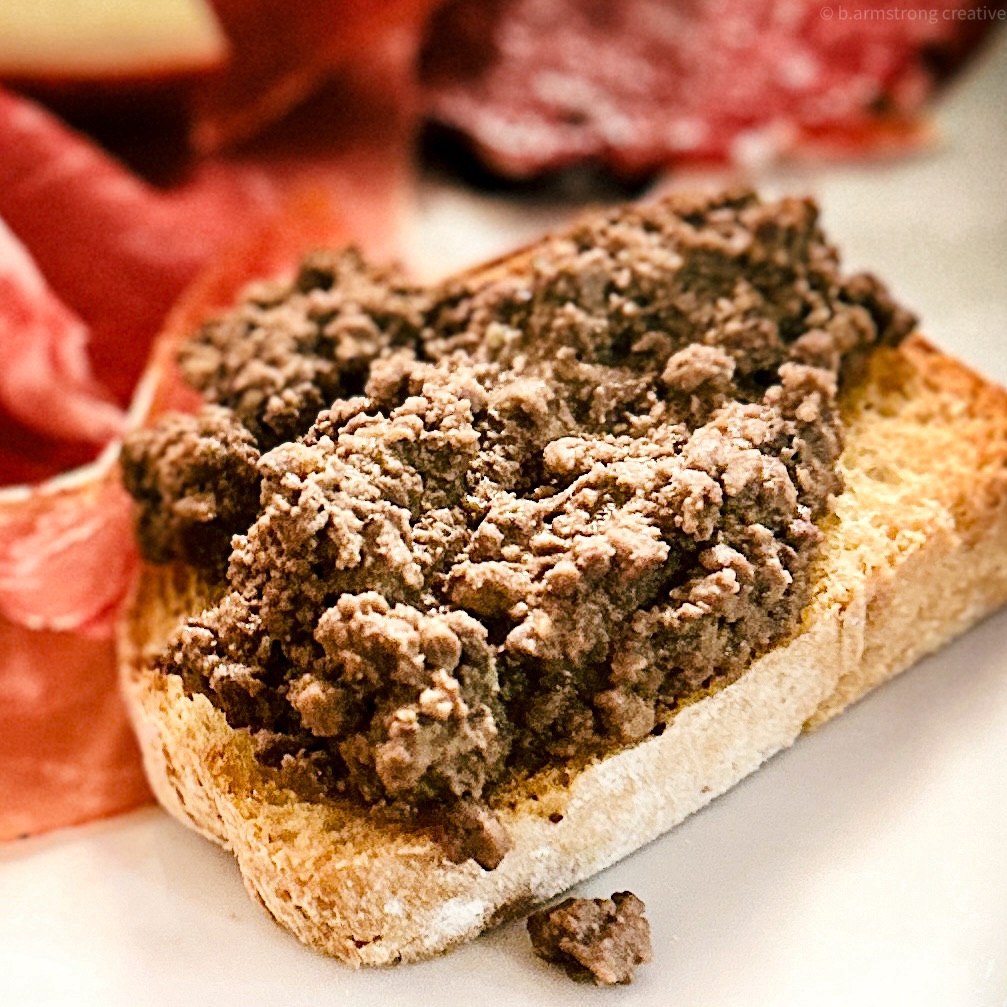

His pâté, much like fegatini, was an intensely meaty antipasto, only it was served in layered, chunky slices rather than as a warm chewy spread. Pâté is very much an acquired taste (that understandably, many never acquire) but I was under strict familial obligation to try it. To everyone’s good fortune, I was 13 ½ at the time and in no way moody, sensitive, or temperamental; after theatrically gagging down the mandatory bite, I heaved away in disgust. Arguably, livery chopped meat and severed heads are each uniquely repulsive, but it was their unfortunate pairing that forever scarred me that day. I was so traumatized that I did not set foot in the room with Judith with the Head of Holofernes for almost five years. It only took about 20 more to try pâté again.
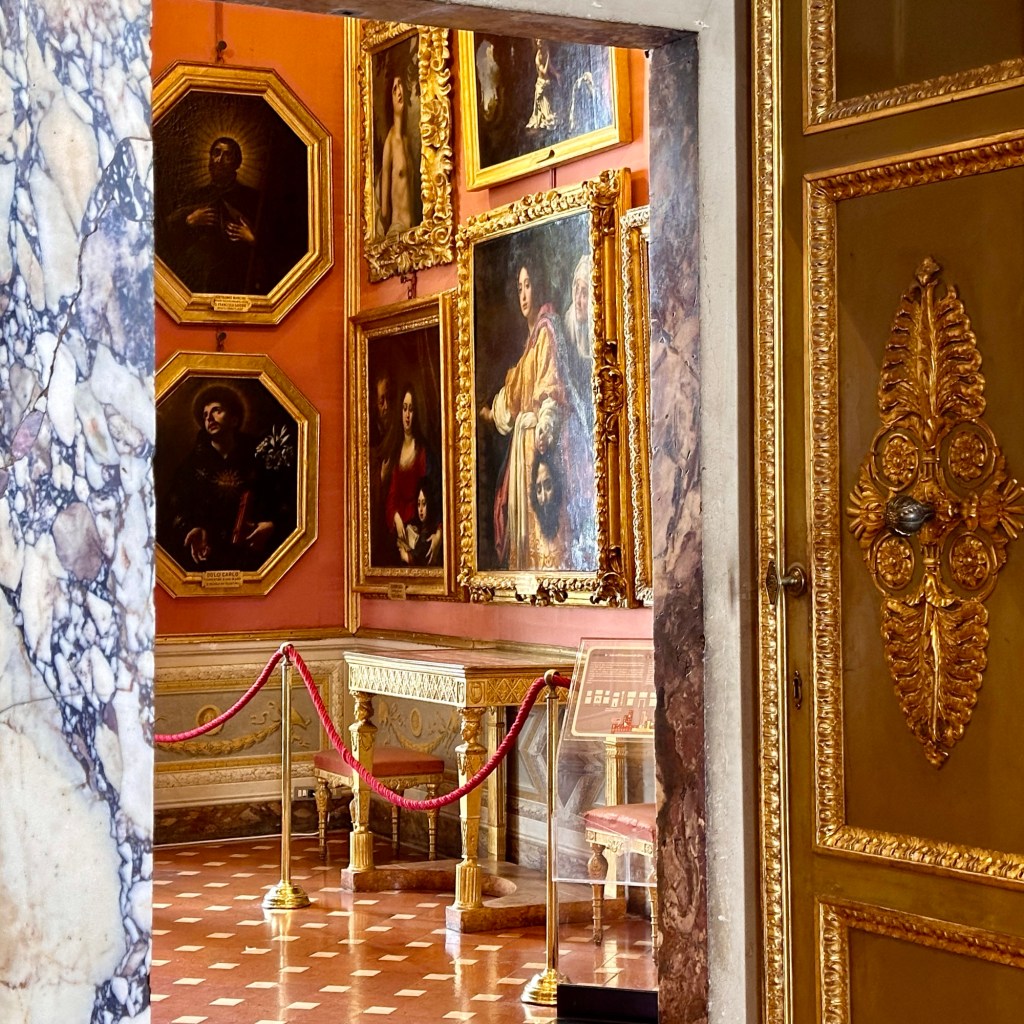
Fast forward to a few days after the fegatini in Cortona when we arrived at the Palazzo Pitti in Florence. I sought out Judith with the anticipation of a kid in a haunted house, flipping between excitement and dread – I was ready for the jump-scare at every turn. And then suddenly, there she was.

Despite my expectations, she was not featured in a glass case with spotlights and a plaque to memorialize my resentment and anxiety. She was nearly hidden among thousands of paintings and as the crowds shuffle you through the palazzo you might not even notice her holding Holofernes’ creepy, grey head. I lingered for about ten minutes, took my photos, smiled, shrugged, and moved on. The thought of pâté or fegatini or liver never crossed my mind – I checked the box without fanfare or nausea. I suppose she hangs exactly where she should, in a quiet, nondescript corner – just another piece of an endless collection of antiquities. Maturity sneaked up on me and worked its magic. Next!
“objects in the rear view mirror may appear closer than they are.”
Meat Loaf, of course
If you’ve read my blog before, you know I love a good theme. You also know I will sniff out threads of serendipity and coincidence in every encounter if for no other reason than life’s absurdities make me smile. The kindest diagnosis I can give myself is context junkie, a label that probably makes my friends and family roll their eyes, although not necessarily in disagreement. Overthinking has upsides too, like a blog that apparently serves as therapy for adolescent grievances needing resolution and rehabilitation.
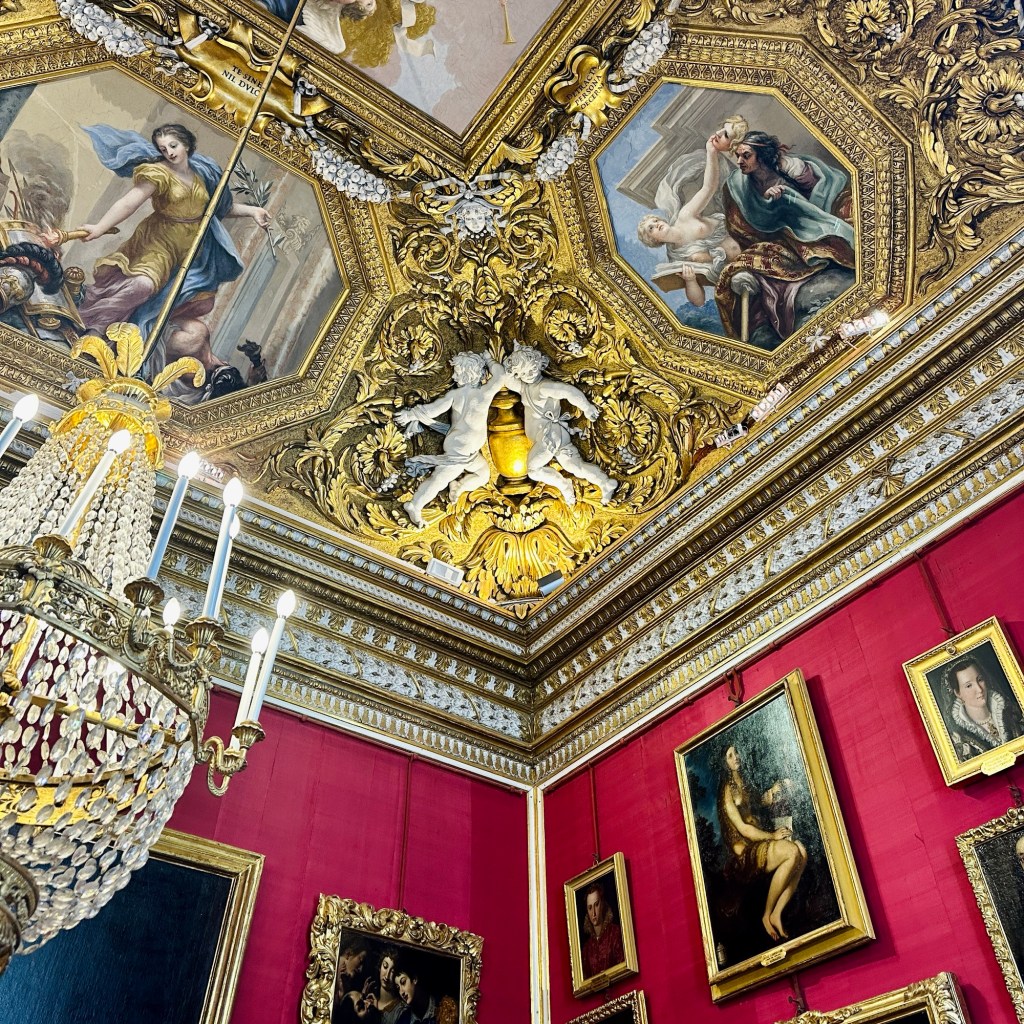
As for the house in Savannah, my parents had an extremely detailed vision, likely based in part on interiors like the Palazzo Pitti, which has played out over 40 years. My pilgrimage to the original Judith in Florence finally clarified the intellectual standards and emotional demands of such an undertaking. While I did not assume the historic restoration mantle like my sister, it wasn’t for lack of interest or ability – I simply don’t have it in me. I was made for hospitable child- and pet-friendly spaces, tidy creature comforts, a happy collection of both modern and antique treasures, and bright manageable rooms with comfy sofas and big-screen TVs. And absolutely no paint chips. I was going to add “or severed heads,” but now I want our Judith, so future grandchildren, beware.
I’m not ashamed that I can still get ridiculously giddy or enchanted, but I cannot and will not live as merely a happy doofus. I also don’t care that I carry a little baggage or a few strong opinions or even a mildly snarky attitude. As long as I’m comfortable with the collective emotional weight, I see no reason to live as an anguished soul either. Somewhere between the dreamer and the brooding realist lies the complicated optimist. That’s always been my spot and it’s how I tell my stories – slightly unhinged but perhaps unexpectedly refined.
Crostini con Stracciatella, Acciughe e Scorza di Limone
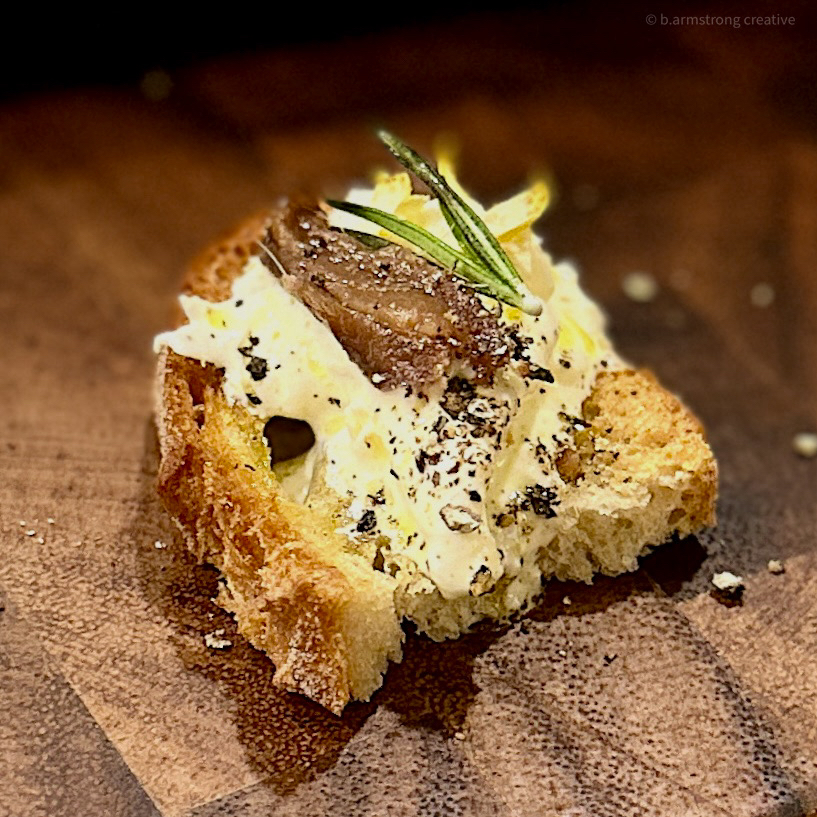
Though healed of that particular trauma, I’m still uninterested in highlighting liver so we are focusing on the Stracciatella, Acciughe e Scorza di Limone crostini from my brunch in Cortona. Stracciatella means “little rags” in Italian and has 3 distinct and context-dependent definitions: a white cream gelato with chocolate ribbons, a brothy soup with shaggy eggs, and a decadent cheese. I am talking about the cheese, best known as the creamy, thready interior of burrata, but also the perfect landing pad for anchovies and lemon zest. Stracciatella is not always easy to find but shockingly easy to make at home.
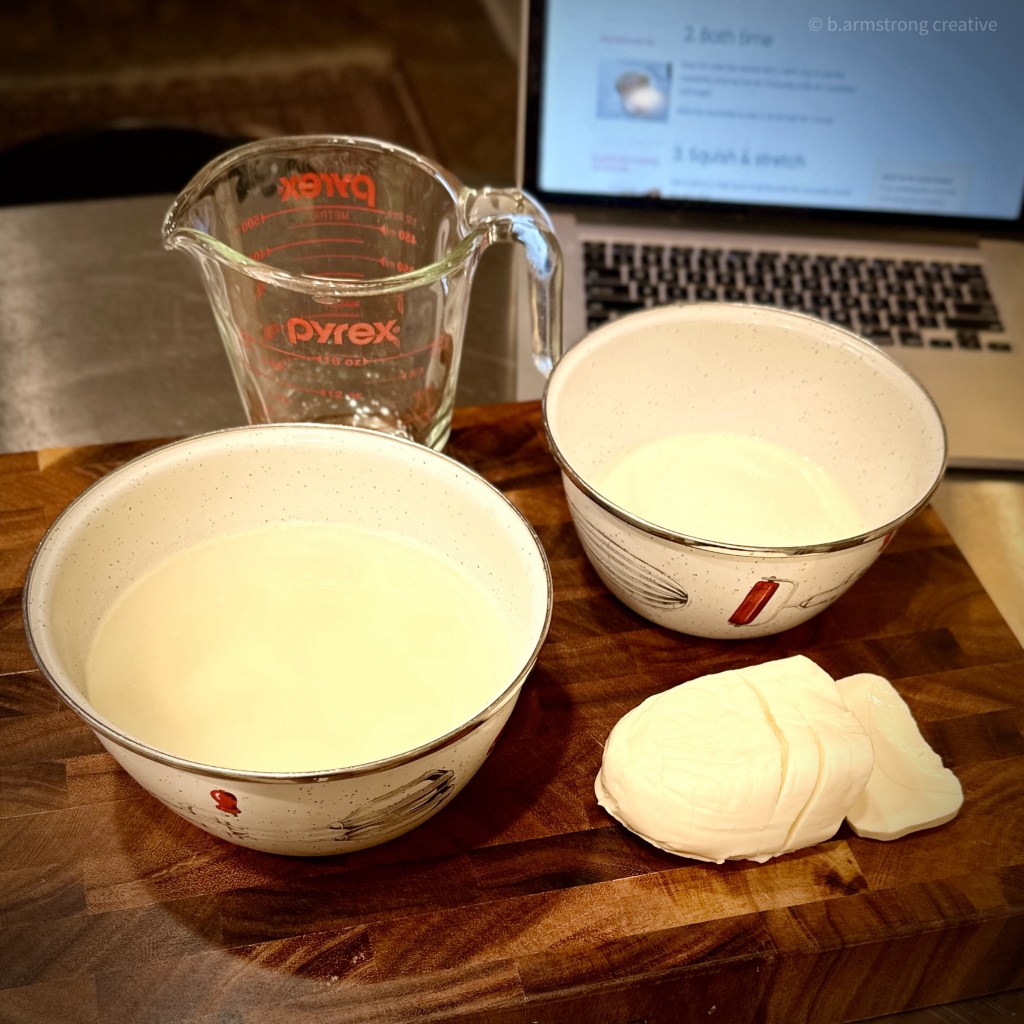
Ingredients
- 6 oz good quality fresh mozzarella cheese
- 1 cup heavy cream
- 2 cups water
- 2 medium bowls
- 1 baguette or Italian loaf
- Anchovies, drained
- 1 lemon, zested into strips
- Drizzle of olive oil
- Flaked salt and fresh ground black pepper
- 2-3 Tbs fresh rosemary or other herbs
Method
Heat water to exactly 185° using a thermometer to get it right.
Slice mozzarella into small, equal strips, about ½” x 2” depending on the shape of your cheese. Do not use the yellowish block or bag of shredded cheese – get the good stuff.
Add the mozzarella strips to one bowl and the cream to the second bowl.
Pour the 185° water over the cheese strips and wait one minute. Using spatula begin to mash the pieces together until you have a giant stretchy blob.
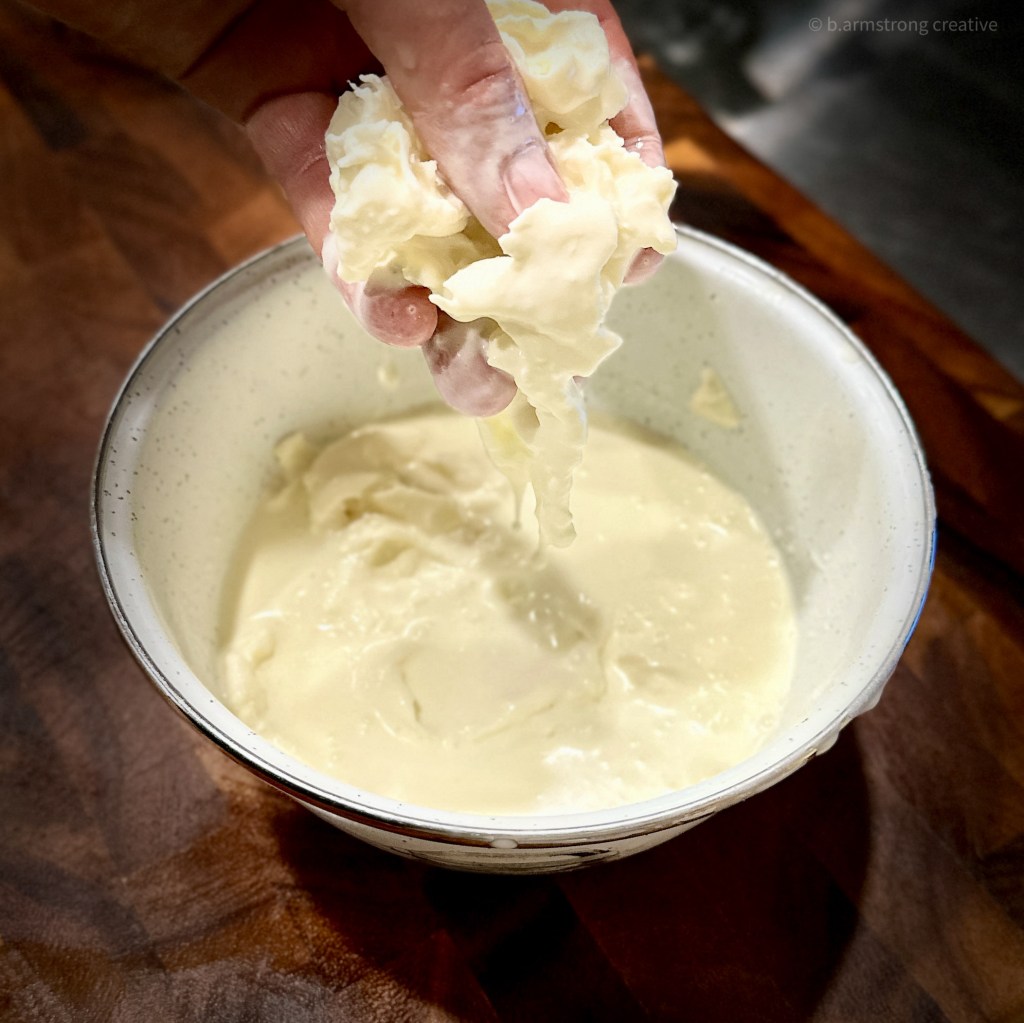
Lift and transfer your cheese to the bowl with the cream. Use your hands to stretch and pull long ropey pieces of mozzarella away from the blob until you have a bowl of creamy strands.
Refrigerate to thicken about an hour.
Slice bread into thin rounds and toast both sides to desired crispiness. If you want bruschetta instead, cut thicker rounds and toast with a drizzle of olive oil. That’s the difference.
Top rounds with a generous tablespoon of stracciatella, followed by an anchovy and some threads of lemon zest. Garnish with salt, pepper, olive oil and herbs.
 Foodishness